Kitchen cabinet budgeting can feel like you’re pricing in the dark. One homeowner gets a quote for $8,000: another’s for $25,000. Both are buying cabinets. The gap comes down to a handful of decisions: stock versus custom, materials, layout complexity, and whether you’re handling installation yourself or hiring help. Understanding kitchen cabinet costs, and what drives them, lets you make informed choices instead of sticker-shock decisions. This guide breaks down real 2026 pricing, the factors that swing the total either way, and smart moves to keep costs under control without sacrificing function or durability.
Table of Contents
ToggleKey Takeaways
- Kitchen cabinet costs range from $3,000–$9,000 for stock cabinets in basic kitchens to $30,000+ for custom builds, with semi-custom options splitting the difference at $12,000–$18,000.
- The cost for kitchen cabinets depends heavily on material choices, linear footage, and layout complexity—such as islands, multiple ceiling heights, or plumbing obstacles—which can add 10–20% to labor costs.
- Installation labor typically runs $150–$350 per linear foot, meaning a 20-foot kitchen installation alone costs $3,000–$7,000 plus demolition and prep work.
- Cabinet refacing is a budget-friendly middle option at $4,000–$9,000, allowing you to refresh appearance by replacing doors and hardware while keeping existing carcasses.
- Choosing paint-grade finishes, simplified layouts, and standard hardware—and handling old cabinet demolition yourself—can save $500–$1,500+ without compromising durability or function.
- Planning ahead for appliance dimensions and mixing stock or semi-custom base cabinets with custom uppers can reduce overall costs by 20–30% while maintaining visual impact.
Typical Kitchen Cabinet Pricing by Style and Quality
Stock vs. Semi-Custom vs. Custom Cabinets
Stock cabinets are pre-manufactured, factory-made units in standard sizes. Expect to pay $100 to $300 per linear foot installed (or $3,000–$9,000 for a 10-by-12-foot kitchen). They’re the budget option: ready to order, limited finish choices, and they fit most standard kitchens. Home Depot and Lowe’s dominate this space. Stock works fine if your layout is straightforward and you don’t need specialty features.
Semi-custom cabinets offer more flexibility. You get height adjustments, door styles, finishes, and hardware options without waiting months. Pricing runs $150 to $500 per linear foot installed (roughly $4,500–$15,000 for a mid-sized kitchen). Brands like Kraftmaid, Thomasville, and Waypoint fall here. Semi-custom is the sweet spot for most DIYers who want control over appearance but can’t justify full custom pricing.
Custom cabinets are built-to-spec, made by local or regional cabinetmakers. You specify every dimension, wood species, joinery detail, and finish. Costs start at $500 per linear foot and climb to $2,000+ installed. A full kitchen can easily top $30,000–$50,000. Custom makes sense if your kitchen has odd angles, you want heirloom-quality construction, or you’re building high-end luxury spaces. Resources like those from HomeAdvisor can help you compare local cabinet makers and their quotes side by side.
Factors That Influence Your Total Kitchen Cabinet Investment
Materials, Size, and Installation Complexity
Wood species matters. Oak, maple, and cherry are mid-range solid woods: expect standard pricing for semi-custom lines. Walnut, hickory, and exotic species bump costs 20–40% higher. Plywood construction with veneer (standard for quality cabinets) is more stable than particleboard, especially in humid kitchens. Always ask what the box, the cabinet carcass, is made from, not just the visible doors and frames.
Linear footage drives the base cost. A galley kitchen (one wall) runs 8–10 linear feet. An L-shaped layout adds 15–18 linear feet. An island adds another 4–8. Every foot of standard cabinet costs more when it includes drawers instead of doors (drawer slides and hardware cost more than hinges) or when you spec deeper cabinets (24 inches deep instead of standard 12) for islands or specialty zones.
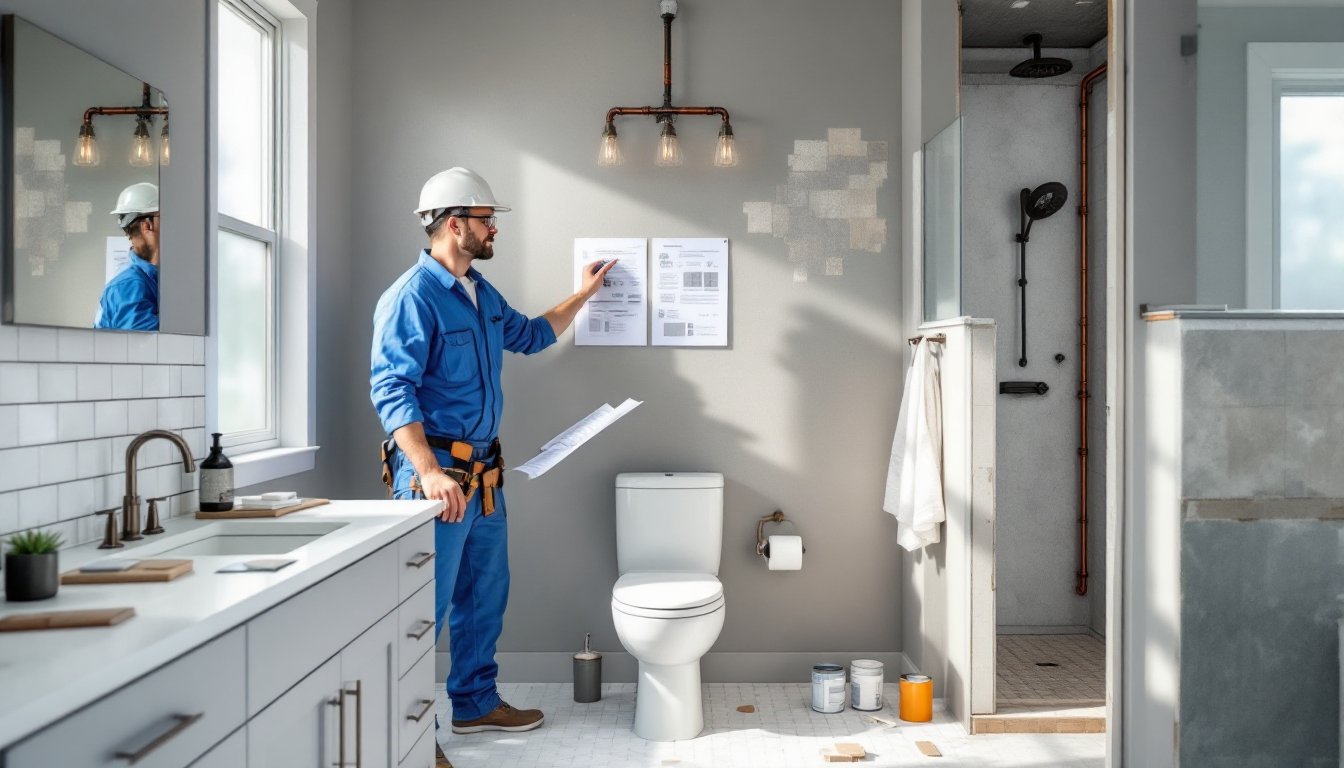
Layout complexity is the hidden multiplier. If your kitchen has an existing peninsula that needs to stay, or a slope in the soffit, or a window you can’t relocate, the installer has to filler strip, angle-cut, or shim, all billable time. Plumbing and electrical obstacles force cabinet relocations. Multiple soffits or ceiling heights require custom-sized uppers. All of this adds 10–20% to labor costs even before a single screw gets turned.
Finish quality varies widely. A basic painted finish costs less than stained and sealed wood. If you want glazed, distressed, or hand-rubbed finishes, add 15–30% to the cabinet price. Paint-grade cabinets (painted white, black, or a trend color) run lower in material cost but demand impeccable finishing work to avoid brush marks.
Installation and Labor Costs to Budget For
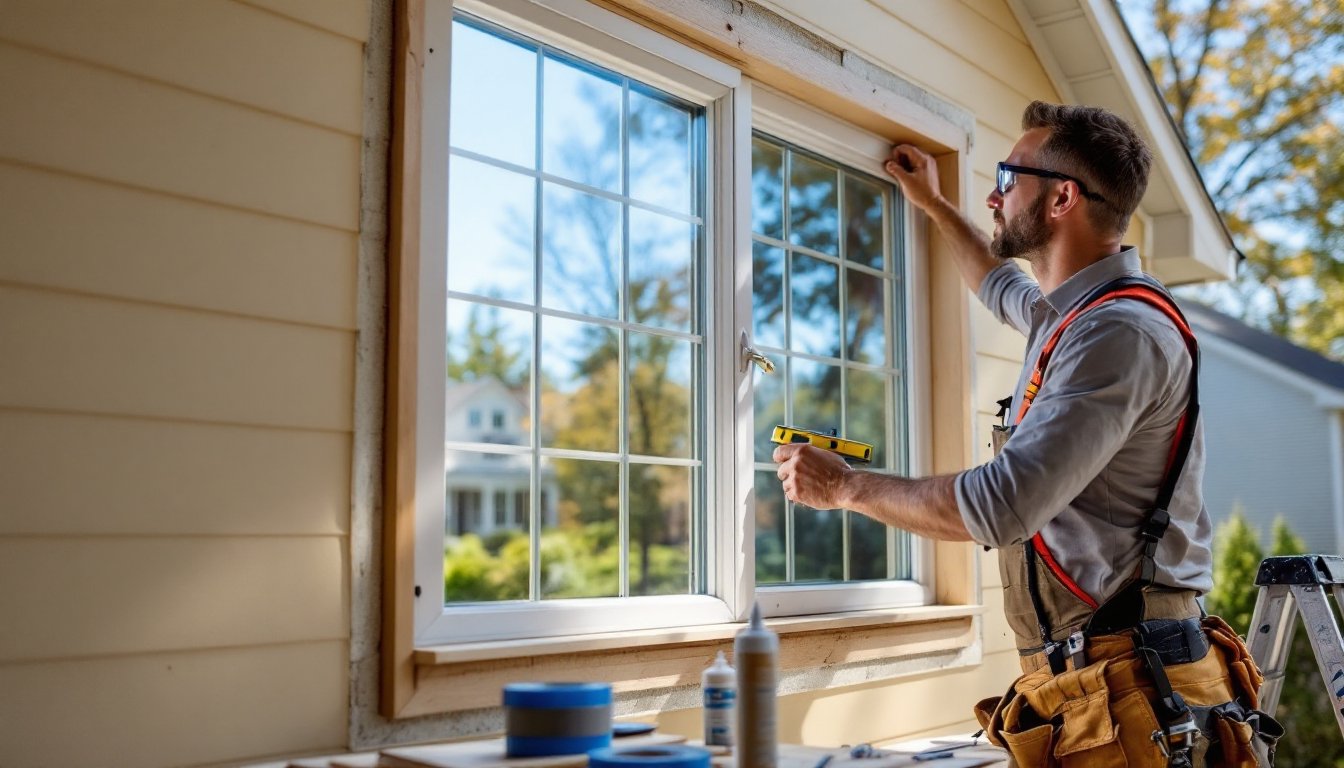
Cabinet installation isn’t a DIY stronghold for most homeowners, and that’s honest talk. If your cabinets are arriving unassembled or semi-assembled, assembly alone runs 5–15 hours of skilled labor. Finding studs, scribing the filler strips where the wall isn’t plumb, shimming to ensure doors hang straight, and securing to the structure correctly takes precision and experience.
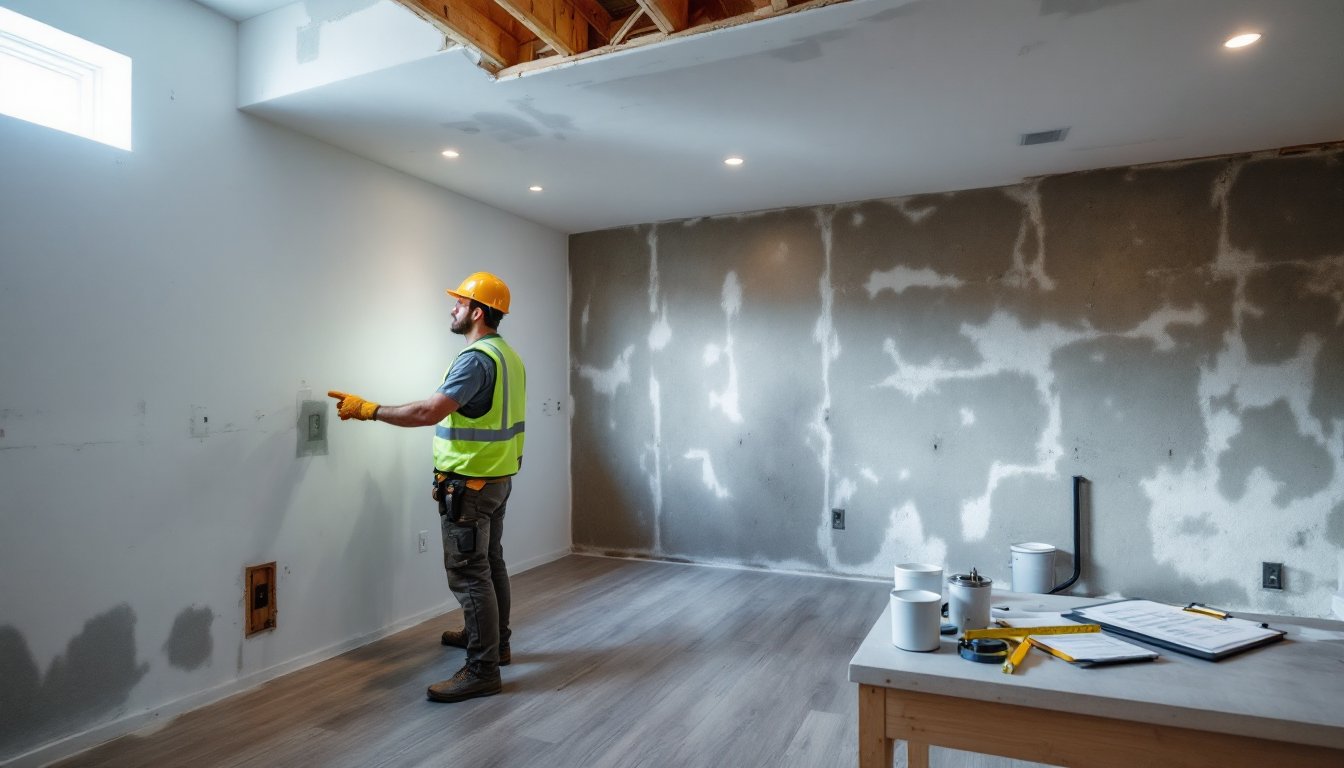
Installation labor typically costs $150–$350 per linear foot, depending on your region and the installer’s experience. For a 20-linear-foot kitchen, that’s $3,000–$7,000 just for hanging and securing. If the kitchen needs demo of old cabinetry, disposal, and prep work (leveling, patching drywall, refinishing existing floors), add $1,500–$3,500.
If you hire a general contractor to oversee the full kitchen remodel, they’ll mark up the cabinet labor and materials. Cabinet specialists (independent installers or shops) typically run cheaper than GCs but require you to source the cabinets yourself and coordinate delivery. Plumbing and electrical work, if required for relocation, happens after cabinet installation and is billed separately.
Warranty and service come into play. Stock cabinets usually include a 1-year manufacturer warranty. Semi-custom and custom often extend to 3–5 years. Some builders include a soft-close upgrade (hinges and slides that prevent slamming) as standard: others charge $500–$1,500 to add it. Always ask if warranty covers finish defects, joinery issues, or just hardware.
Ways to Save Money on Your Kitchen Remodel
Start by getting honest about what you need. If you’re keeping the existing footprint, same wall locations, no new island, you’re skipping expensive layout work. Straight runs of cabinets cost less per linear foot than scattered, broken layouts. One contiguous wall of uppers and lowers is cheaper than a wraparound with peninsula.
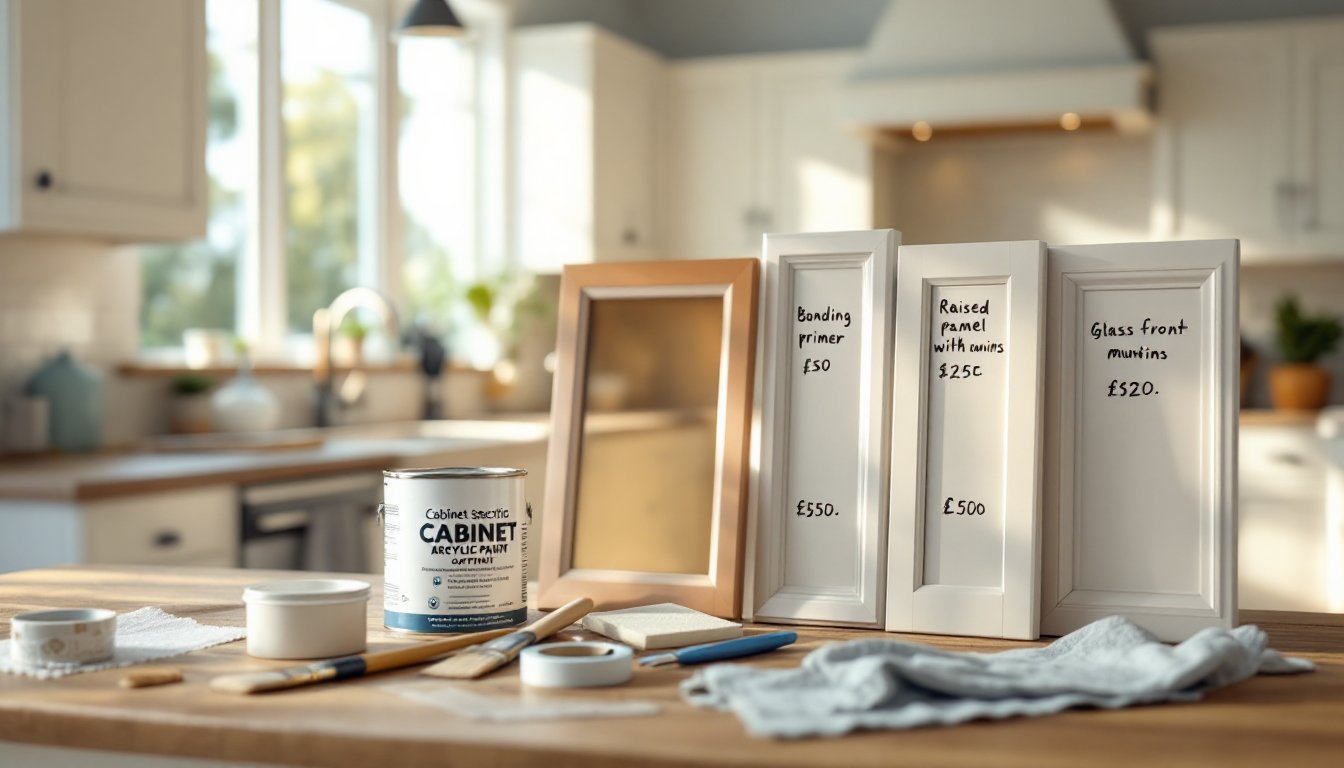
Refacing is a middle path: You keep the existing cabinet carcasses (the boxes), replace doors, hardware, and sometimes skins, and refinish. Refacing runs $4,000–$9,000 for an average kitchen, versus $8,000–$25,000+ for replacement. It works if the existing cabinets are solid and level, the layout serves your needs, and you just want a visual refresh. Sites like Angi have reviews of refacing specialists in your area.
Material choices trim costs without cutting corners. Paint-grade maple or birch costs less than stained hardwoods and hides dust and fingerprints better in busy kitchens. Soft-close hardware is nice but optional: standard hinges and slides work fine if you’re budget-conscious. Choosing white, gray, or black cabinets is often cheaper than custom stains because the finish hides grain variation and requires less hand labor.
Demo the old cabinets yourself if you’re handy. Removing 20 linear feet of cabinets, packing hardware, and hauling to disposal can save $500–$1,500 in labor. You’ll need a reciprocating saw with a metal-cutting blade (studs are often screwed directly to the back of cabinets), a pry bar, and a day of steady work. Leave final demolition and drywall prep to the pros if you’re unsure about structural studs or load-bearing walls.
Plan ahead for appliances. If cabinets need to fit around a new refrigerator, range, or dishwasher, order those first and confirm dimensions. Moving an appliance location mid-remodel means rerouting plumbing or gas, expensive surprises. ImproveNet lets you compare appliance costs alongside cabinet quotes so you budget the full picture at once.
Mix and match materials and finishes. Use stock or semi-custom for base cabinets (workhorse units that wear but don’t show as much) and invest in custom uppers or a feature wall if visual impact matters most. Pair painted cabinets with a few stained wood open shelves above the sink. This hybrid approach saves 20–30% versus full custom without looking like you skimped.
Conclusion
Kitchen cabinet costs in 2026 span a wide range because kitchens themselves vary so much. A tight, straight-wall kitchen with stock cabinets runs $3,000–$9,000 total. A mid-size kitchen with semi-custom units and professional installation lands at $12,000–$18,000. A luxury, full-custom remodel with premium finishes and complex layout easily exceeds $30,000. Know your priorities, function, aesthetics, durability, and match them to the cabinet tier that makes sense. Honest planning, upfront contractor communication, and a willingness to compromise on non-essentials keeps budgets realistic and projects on track.