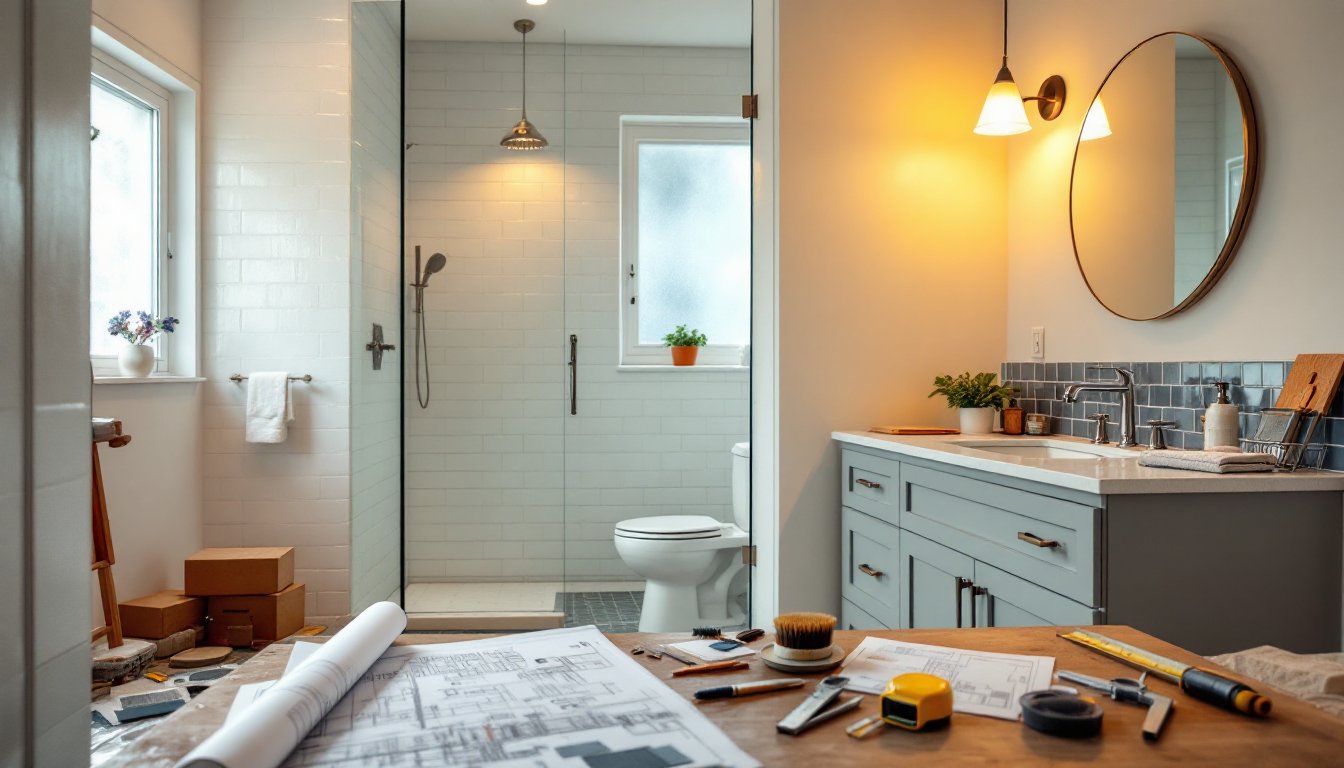
A jacuzzi shower, complete with body jets, a rainfall showerhead, and massage functionality, sounds luxurious, but many homeowners balk at the price tag. The truth? A full jacuzzi shower remodel costs anywhere from $3,000 to $15,000+ depending on your choices, existing plumbing setup, and labor in your area. Before you assume it’s out of reach, understand what drives these costs and where you can cut corners without sacrificing function. This guide breaks down the real numbers and shows you how to plan a budget that works for your home and wallet.
Table of Contents
ToggleKey Takeaways
- A jacuzzi shower remodel typically costs between $4,500 and $20,000, with most homeowners spending $8,000–$12,000 for a quality installation.
- Fixture quality and brand selection are the largest cost drivers—budget brands run $2,000–$4,000 while premium units exceed $8,000 for the fixture alone.
- Labor and installation complexity account for 40–60% of total costs, with prices varying by location, plumbing access, and electrical requirements.
- Choose mid-range fixtures from reliable brands like Kohler or Moen to save 30–50% without sacrificing performance, and prioritize quality showerheads and mixing valves.
- Prefabricated acrylic panels and existing plumbing layouts significantly reduce jacuzzi shower remodel expenses while maintaining aesthetic appeal.
- Always get multiple contractor bids, add a 10–15% contingency buffer for surprises, and never skip permit requirements to ensure code compliance and protect your investment.
Average Cost of a Jacuzzi Shower Remodel
Most jacuzzi shower remodels fall into a predictable range, though the exact number depends heavily on your starting point and material choices.
Basic jacuzzi shower units (low-end prefabricated models with 4–6 jets and standard finishes) run $2,000–$4,000 for the unit alone. Add installation, plumbing rough-in, and electrical work, and you’re looking at $4,500–$8,000 total.
Mid-range custom or semi-custom builds (larger walk-in enclosures, 8–12 jets, better water pressure systems, upgraded finishes) typically cost $6,000–$12,000 installed. These often require some tile work, custom framing, or moving existing plumbing lines.
High-end luxury installations with steam functions, chromotherapy lighting, smart controls, and premium tile or stone finishes can exceed $15,000–$20,000. These jobs usually involve structural modifications and licensed specialists.
According to current market data, the median bathroom remodel (including a jacuzzi shower as the centerpiece) runs $10,000–$15,000 nationally, though regional variation is significant. A homeowner in rural Kentucky will spend less than one in coastal California or New York City, where labor rates and material costs are substantially higher.
Factors That Impact Your Total Remodel Cost
Your final bill depends on several variables that compound or offset each other. Understanding them before you start shopping helps you make informed trade-offs.
Fixture Quality and Brand Selection
The jacuzzi unit itself is typically the largest single expense. Budget brands like Aquatica or Kohler’s entry-level jets sit at $1,500–$3,000, while premium manufacturers like Jacuzzi, Duravit, or Waterworks charge $4,000–$8,000+ for the fixture alone. The price jump reflects water-pressure consistency, jet variety (e.g., directional vs. oscillating), and warranty length.
Beyond the tub, you’ll also purchase a showerhead, fixtures, and trim. A standard showerhead costs $50–$200, but a rainfall or massaging model with diverter valve runs $300–$800. Mixing valves (required for safety and comfort control) add another $200–$600 depending on quality and whether they’re thermostatic or pressure-balance.
Tile, stone, or acrylic wall panels significantly affect cost too. Ceramic or porcelain tile runs $5–$15 per square foot installed: natural stone like marble or slate goes to $20–$50+ per square foot. Prefabricated acrylic surround panels are cheaper ($500–$1,500) but feel less premium and limit customization.
Labor and Installation Complexity
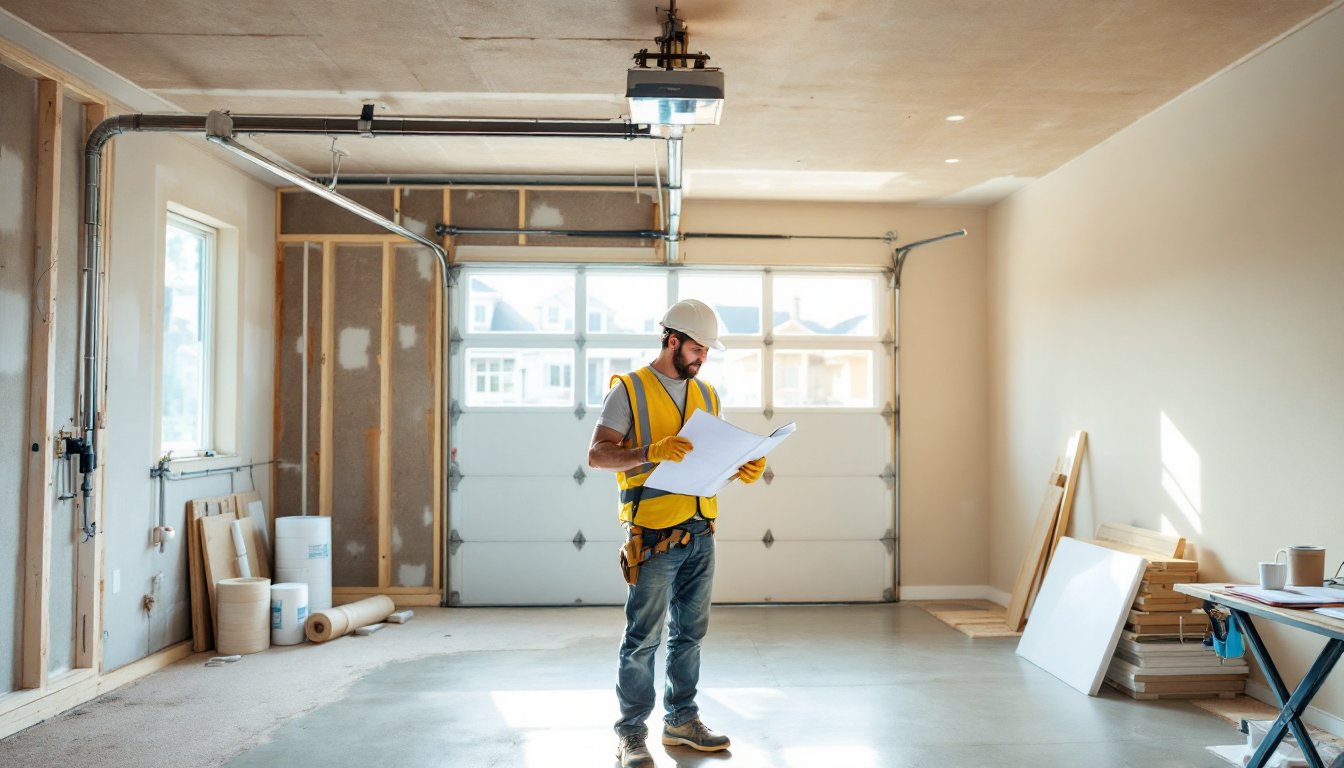
Labor typically accounts for 40–60% of your total remodel cost. A straightforward installation in an existing shower space with accessible plumbing might take 3–5 days of work at $50–$150 per hour (depending on your location and whether you hire a general contractor or licensed plumber + electrician separately). In dense urban areas or homes with challenging layouts, expect $100–$200+ per hour.
Difficulty multipliers include:
- Existing plumbing access: If the jacuzzi needs new water lines or drain work, add $500–$2,000 for pipe relocation or upgrades. Homes with copper lines in good condition are cheaper to work with than those needing full replumbing.
- Electrical requirements: Jacuzzi jets require a dedicated 20-amp circuit at minimum (per National Electrical Code). If your bathroom electrical panel is distant or overloaded, running new circuits costs $400–$1,200. Hiring a licensed electrician is non-negotiable here.
- Structural changes: Removing an existing tub, upgrading the substrate (waterproofing and cement board), or reinforcing floor joists adds days of labor and material costs ($800–$3,000+).
- Building permits: Most jurisdictions require permits for bathroom remodels involving plumbing or electrical work. Permit fees range from $100–$500, and inspections add time but ensure code compliance and proper installation.
How to Budget and Save on Your Project
A smart budget starts with realistic assessments and strategic prioritization. You can’t cut corners on plumbing or electrical safety, but you can elsewhere.
Get multiple quotes: Reach out to at least three licensed contractors. Websites like Angi and ImproveNet let you post your project and receive bids from local pros. Compare not just price but scope, some contractors include demo and disposal: others charge extra. A low bid that omits these costs isn’t actually low.
Choose fixtures wisely: You don’t need the most expensive brand to get reliability. Mid-range units from Kohler, Moen, or American Standard offer solid performance and good warranties at 30–50% less than luxury brands. Save premium dollars for elements you’ll interact with daily, the showerhead and mixing valve, and go simpler on jets if budget is tight.
Simplify the surround: Prefabricated acrylic panels or subway tile (easier to install than natural stone) cut material and labor costs significantly without sacrificing looks. Many homeowners tile only the visible walls and use cement board or simpler finishes on the back wall.
Leverage your existing space: If your current tub alcove is already plumbed and structurally sound, you avoid thousands in prep work. Dropping a new jacuzzi into an existing footprint costs far less than expanding the bathroom.
Prioritize gradually: Start with the jacuzzi unit and essential finishes now. Plan upgrades like chromotherapy lights or smart controls for later. This spreads costs and lets you enjoy the main feature while saving for enhancements.
Plan for hidden costs: Add a 10–15% contingency buffer to your budget. Contractors frequently discover water damage, outdated wiring, or plumbing surprises once they open walls. Having a cushion prevents midproject stalls or shortcuts.
Before hiring, ask contractors directly: What’s included in the estimate? Who pulls permits? What’s your warranty? Are changes charged hourly or flat-fee? Clear answers protect your budget and timeline.
Conclusion
A jacuzzi shower remodel ranges from $4,500 to $20,000+ based on fixture choice, labor complexity, and your location. The sweet spot for most homeowners is $8,000–$12,000, enough for a quality unit, solid installation, and attractive finishes. Start by assessing your existing plumbing and electrical infrastructure, then decide where to splurge (fixtures you’ll use daily) and where to save (surround materials, luxury add-ons). Get multiple bids, ask detailed questions, and don’t skip the permit process. With careful planning, a luxurious jacuzzi shower is achievable without very costly.