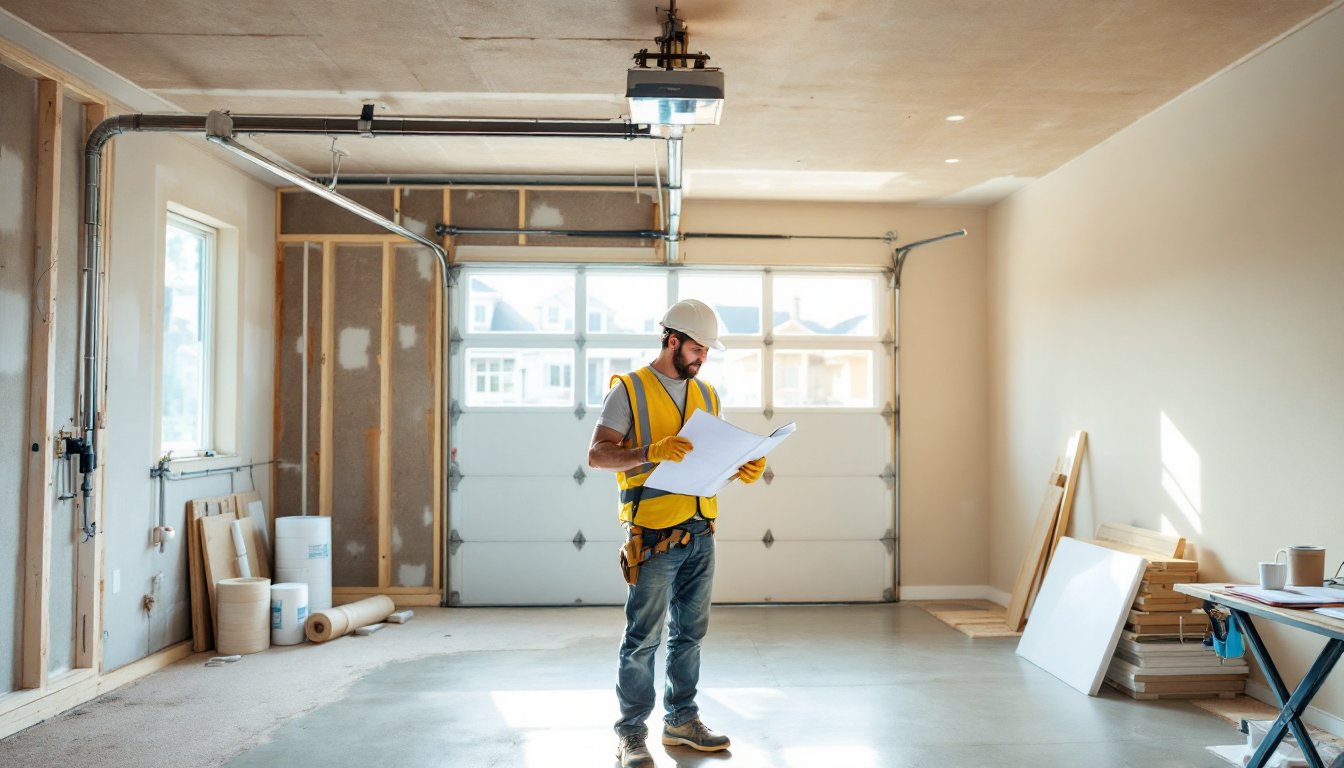
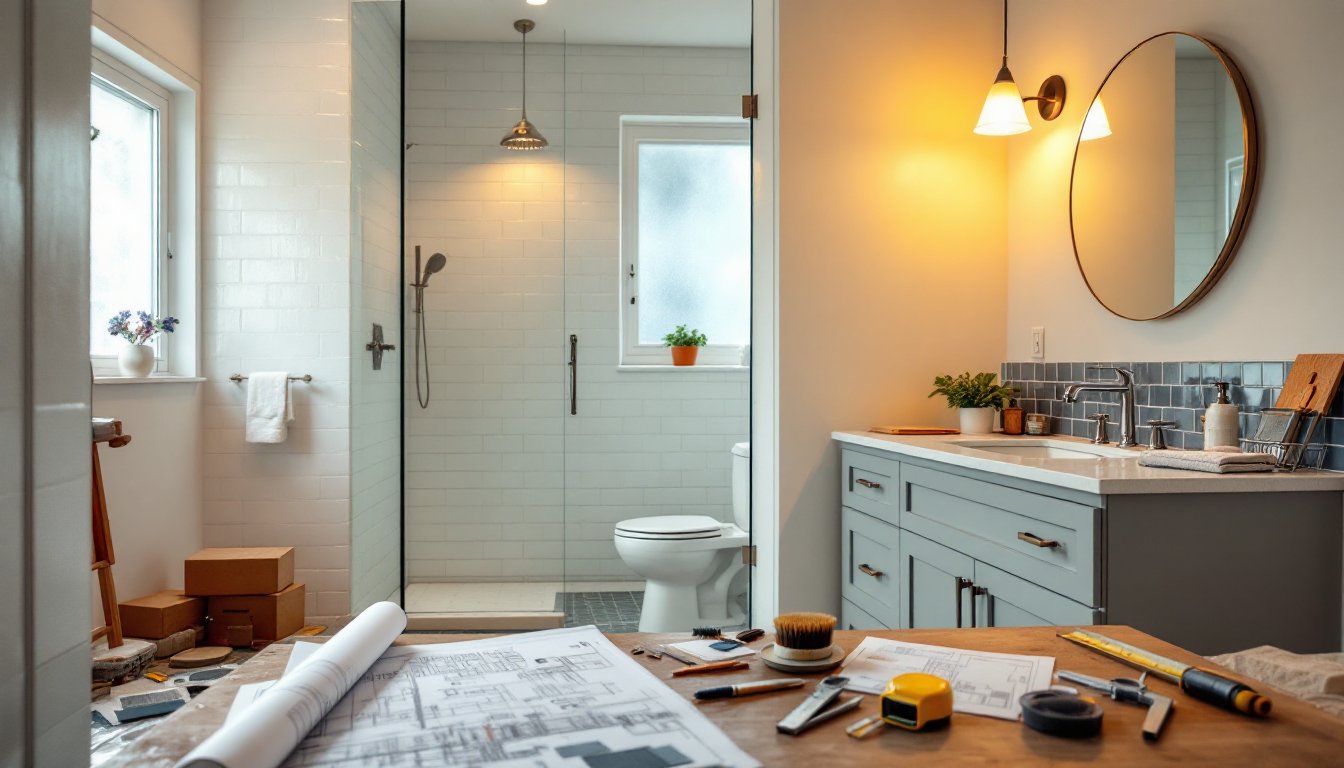
Finishing or remodeling a basement is one of the most cost-effective ways to add living space and increase home value, but the price tag varies wildly depending on scope, location, and materials. A basic finished basement (framing, drywall, paint, flooring) might run $10,000 to $25,000, while a full renovation with plumbing, HVAC, and custom features can exceed $75,000. Understanding what drives these costs upfront helps homeowners make realistic decisions, prioritize must-haves, and avoid expensive mistakes. Whether you’re planning a simple recreation room or a luxury guest suite, this breakdown covers the key cost factors, real-world pricing by project type, and ways to stay on budget without cutting corners on quality or safety.
Table of Contents
ToggleKey Takeaways
- Basement remodel costs range from $8,000 for basic finishing to $100,000+ for full renovation, with location and scope determining the final price tag.
- Addressing moisture and foundation issues before framing—costing $3,000–$10,000—prevents costly mold and structural damage down the line.
- Labor costs dominate basement remodels at 45–55% of total expenses, making it crucial to get multiple itemized contractor bids rather than choosing the lowest option.
- Phasing your project by completing structural work first, then adding cosmetics later, spreads costs and allows you to adjust based on actual space usage.
- A finished basement typically recovers 50–75% of its cost at resale, but the true value lies in immediate usable square footage and improved quality of life.
- Investing in proper waterproofing and underlayment ($500–$1,000 upfront) protects against a $15,000+ remediation nightmare from mold or water damage later.
Factors That Influence Basement Remodel Costs
Basement remodel costs hinge on several controllable and fixed variables. Location is the biggest wildcard: a basement in the Northeast or California will cost 30–50% more than the same project in the Midwest or South, due to labor rates, material availability, and code strictness. Square footage is straightforward, a 500-sq-ft space costs less than 1,200 sq ft, even at the same price per square foot.
Moisture and foundation condition often surprise budget-conscious homeowners. If the basement has active leaks, efflorescence (white salt deposits), or cracks in the concrete, remediation must happen first. Waterproofing, sump pump installation, or interior sealing can add $3,000–$10,000 before you frame a single wall. Ignoring this step leads to mold, structural damage, and total project failure.
Ceiling height matters: 7.5-foot or taller basements meet code easily, but low ceilings (under 7 feet) may require digging and sistering joists, pushing costs up significantly. Existing systems (electrical panel, HVAC ductwork, plumbing) should be assessed early. Rerouting circuits or extending a furnace’s reach adds labor and materials. Some basements already have a rough-in from a prior owner, a huge advantage. Permit requirements vary by jurisdiction. Structural work, electrical, and plumbing almost always require permits and inspections: cosmetic-only finishes may slip by, but don’t assume. Skipping permits risks fines, insurance denials, and resale headaches.
Average Cost Range by Project Type
Basic Finishing vs. Full Renovation
Basic finishing includes insulation, framing, drywall, paint, and simple flooring (vinyl plank or laminate). No new plumbing or electrical, just surface treatments over existing systems. Budget: $8,000–$20,000 for a 500-sq-ft space, or $16–$40 per square foot. Labor dominates here, as materials are modest. This covers a playroom, workshop, or bonus bedroom.
Mid-range renovation adds small touches: a half-bath or wet bar, upgraded flooring (polished concrete or tile), recessed lighting, and HVAC extensions. Expect $25,000–$50,000 for 500 sq ft, or $50–$100 per square foot. Permits are mandatory. Plumbing and electrical upgrades account for much of the jump.
Full renovation is essentially building a new room underground: full bath(s), kitchenette, dedicated HVAC zones, custom lighting, high-end flooring (wood-look or natural stone), built-ins, and media/entertainment features. Cost: $50,000–$100,000+ for 500 sq ft, or $100–$200+ per square foot. This tier demands a licensed contractor, multiple trades, and 8–16 weeks or more.
These ranges assume standard finishes. High-end choices, radiant floor heating, custom cabinetry, luxury tiles, push costs into the $150–$250 per square foot zone. Regional differences are substantial: the same project costs 40–60% less in rural areas than urban centers.
Material and Labor Costs Breakdown
Materials typically make up 35–45% of total cost: labor takes 45–55%. On a mid-range $40,000 project, expect roughly $17,000 in materials and $23,000 in labor.
Framing and insulation (lumber, studs, rim band, fiberglass batts, vapor barrier): $2,000–$4,000 for a 500-sq-ft space. Drywall, taping, and mudding add another $3,000–$5,000. Flooring varies hugely: vinyl plank runs $800–$1,500 total: polished concrete with sealer is $2,500–$4,500: tile or wood-look porcelain, $3,000–$6,000.
Electrical (circuits, outlets, lighting, panel upgrade if needed) costs $3,000–$8,000 depending on extent. A new bathroom with plumbing rough-in, fixtures, and trim runs $5,000–$12,000. HVAC extensions (ductwork, registers, dampers) are $2,000–$5,000. Finishes, paint, trim, doors, caulk, round out another $1,500–$3,000.
Labor costs vary by contractor experience and local prevailing wage. A general contractor charges $45–$75/hour in most markets: specialized trades (plumbers, electricians) bill $55–$100+/hour. A 500-sq-ft basement finishing job takes 4–8 weeks, or roughly 800–1,600 labor hours depending on complexity. That translates to $36,000–$160,000 in labor alone, so don’t cheap out on a low-ball bid without understanding scope cuts.
Contractors using platforms like HomeAdvisor or Angi often have transparent pricing and customer reviews, making it easier to vet estimates.
How to Budget and Save on Your Basement Project
Smart planning cuts costs without sacrificing quality. Phase the project. Do framing, electrical, and plumbing first, the expensive, structural work. Live with a partially finished space for a year, then add flooring, trim, and cosmetics later when cash flow improves. This spreads costs and lets you adjust direction based on how you’ll actually use the space.
Be realistic about DIY work. Framing walls, insulating, and drywall taping are learnable: electrical and plumbing are not (and typically require licensed pros to pass inspection). Paint, trim, simple flooring like vinyl plank, and demo work are solid DIY candidates. Tackling these yourself saves $5,000–$12,000 in labor but demands time and skill.
Choose finishes strategically. Polished concrete is cheaper than tile and looks modern. Paint walls instead of wallpaper. Builder-grade doors and hardware are fine for a workspace: invest in fixtures only in wet areas. Vinyl plank flooring is durable, waterproof, and affordable, it’s become industry standard for basements.
Get multiple bids. Ask three contractors for itemized quotes. Lowest price doesn’t mean best value: mid-range bids often reflect fair labor and materials. A suspiciously low bid often hides corners cut or scope misunderstood.
Verify permits and codes early. Some jurisdictions charge flat permit fees ($100–$300): others scale fees to project cost. Know upfront. Egress windows (required for bedrooms) run $2,000–$4,000 each but are non-negotiable for safety and code compliance.
Order materials efficiently. Buy in bulk where possible. A large drywall and lumber order from a distributor (not big-box retail) saves 10–15%. Deliver materials to the basement entrance, avoid moving through the house and damaging flooring. Resources like ImproveNet help homeowners coordinate project timelines and material delivery.
ROI and Long-Term Value Considerations
Basement finishing typically recovers 50–75% of its cost at resale, depending on market and execution quality. A $40,000 remodel might add $25,000–$30,000 to home value, solid but not dollar-for-dollar return. But, the real value is immediate: usable square footage, quality of life, and flexibility.
A finished basement appeals to families, work-from-home professionals, and rental investors. If you plan to stay 10+ years, the project pays for itself through enjoyment and reduced stress (no cramped living quarters). For a flip or short-term hold, focus on mid-range finishes, avoid luxury details that don’t recoup.
Structural quality and code compliance drive resale appeal. A beautiful finish on a damp or unsafe basement is a liability. Buyers and appraisers scrutinize egress windows, moisture history, and proper electrical grounding. Cutting corners here loses you far more than the upfront savings.
Maintenance costs are modest for a finished basement. Paint and flooring may need refreshing every 10–15 years. If you installed drywall on a concrete floor without a proper vapor barrier, mold is likely, a costly fix. Spend the extra $500–$1,000 on waterproofing and underlayment upfront: it’s insurance against a $15,000 remediation nightmare later.
Conclusion
Basement remodel costs range from $8,000 for basic finishing to $100,000+ for full renovation, with location, scope, and existing conditions setting the bounds. The key is matching budget to realistic project type, prioritizing structural work over cosmetics, and building in a contingency buffer (typically 10–15% of total cost) for surprises. Get itemized bids, ask questions about permits and warranty, and don’t let the lowest price override your gut. A thoughtfully planned basement adds genuine value, livable square footage, and years of family enjoyment, that’s worth getting right.