A bathroom remodel ranks high on most homeowners’ wish lists, and for good reason. A refreshed bathroom adds both functionality and resale value. But before you tear out that dated tile, you need a realistic number. How much does a bathroom remodel cost in 2026? The answer depends heavily on scope, materials, and location, but most homeowners spend between $3,000 and $100,000+. Understanding what drives costs helps you plan smarter and avoid surprises mid-project. This guide breaks down pricing by budget level, identifies the major cost factors, and offers practical ways to keep expenses in check without cutting corners on quality.
Table of Contents
ToggleKey Takeaways
- Most homeowners spend between $3,000 and $100,000+ on a bathroom remodel, with costs varying significantly based on scope, materials, and location.
- Keep your plumbing footprint unchanged to avoid one of the fastest budget killers—relocating pipes can cost thousands and should be minimized whenever possible.
- Budget-friendly remodels ($3,000–$8,000) focus on cosmetic updates like fixture replacement and painting, while mid-range remodels ($8,000–$25,000) introduce layout changes and better materials.
- Hire licensed professionals for plumbing, electrical work, complex tile installation, and structural repairs to avoid costly code violations and safety risks.
- DIY-friendly tasks like demolition, painting, fixture installation, and grouting can help reduce labor costs by 15–25% when you hire independent contractors directly.
- A contingency budget of 10–15% protects against surprise structural issues like rotted subfloors or water damage discovered during your bathroom remodel.
Typical Bathroom Remodel Costs By Budget Level
Budget-Friendly Remodels ($3,000–$8,000)
A budget remodel focuses on cosmetic updates with minimal structural work. You’re likely replacing fixtures, repainting, updating hardware, and refreshing tile or flooring without moving plumbing or electrical lines. Expect to replace the toilet, faucet, vanity, and mirror while keeping the existing layout intact.
At this level, labor typically runs $1,500–$3,000, with materials making up the rest. You’ll source mid-range fixtures from big-box suppliers, use standard paint and basic tile, and handle some work yourself if you’re handy. Many DIYers tackle demolition, painting, and simple fixture swaps to reduce labor costs. A budget remodel won’t dramatically transform the space but delivers noticeable freshness.
Mid-Range Remodels ($8,000–$25,000)
Mid-range remodels introduce modest layout changes, new lighting, and better-quality materials. You might relocate a vanity, upgrade ventilation, install a new shower surround or tub, and add storage. Plumbing and electrical work expand but typically stay within existing locations to avoid major rough-in costs.
Labor costs rise to $4,000–$12,000 as the scope broadens. You’ll invest in semi-custom cabinetry, better tile selections, quality faucets, and updated lighting fixtures. Many homeowners hire contractors for plumbing, electrical, and tile work while handling demolition or painting themselves. A bathroom remodel’s typical cost
Luxury Remodels ($25,000–$100,000+)
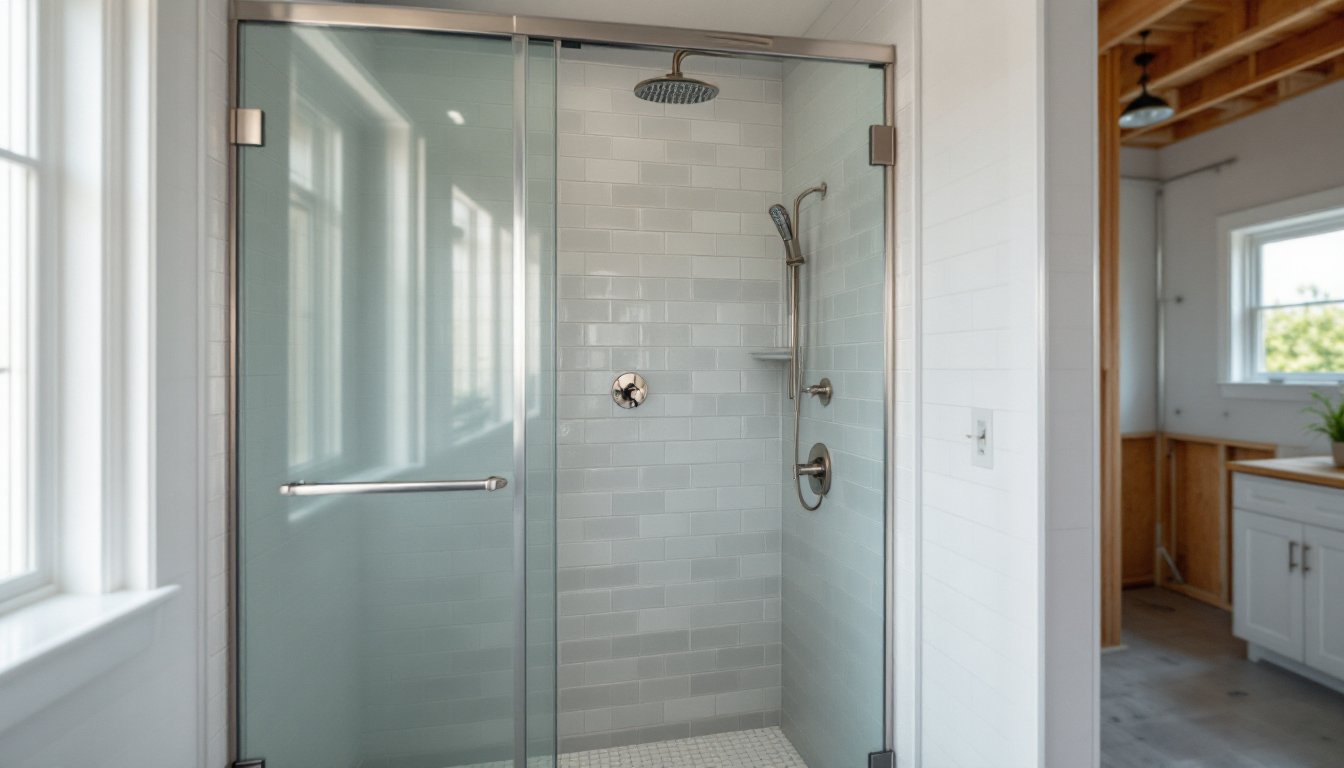
Luxury remodels include significant layout changes, premium materials, and spa-like finishes. Think heated floors, a walk-in shower with custom tile work, a soaking tub, heated towel racks, smart mirrors, and high-end cabinetry. Structural modifications, custom tilework, and high-end plumbing fixtures drive costs upward.
Labor costs balloon to $15,000–$50,000+, often requiring a general contractor to manage multiple trades. Materials, custom tile, natural stone, premium appliances, and designer fixtures, easily exceed $20,000. At this level, you’re paying for craftsmanship, custom work, and premium finishes. A luxury remodel transforms the bathroom into a personal retreat and typically delivers the strongest return on investment in terms of home value.
Major Cost Factors That Impact Your Budget
Bathroom size affects everything. A small half-bath costs less than a master ensuite because there’s less surface area to tile, fewer fixtures to buy, and faster labor time. Remodeling a 5×8 powder room differs vastly from a 12×15 master bathroom.
Plumbing and electrical relocation dramatically increases costs. Moving pipes or adding a second toilet line requires rough-in work, permits, and licensed plumbers. If your bathroom layout stays put, you avoid these expenses. Adding or relocating vents, ductwork, or circuits also adds $1,000–$4,000+ depending on complexity.
Materials and finishes set the price range. Basic ceramic tile costs $3–$8 per square foot installed: natural stone (marble, granite, travertine) runs $15–$30+ per square foot. Cabinetry ranges from $1,500 (stock units) to $10,000+ (semi-custom or custom). Faucets span $100–$800+, and toilets range $200–$1,200 for premium models.
Structural issues discovered mid-project can balloon costs. Rotted subfloors, mold, or water damage means contractors must address the problem before finishing surfaces. Budget 10–15% contingency ($500–$1,500 for small remodels) to handle surprises.
Permits and inspections vary by jurisdiction but typically cost $200–$800. Some municipalities require permits for any plumbing or electrical work: others skip cosmetic-only projects. Check local codes before planning, unpermitted work can complicate future sales.
Tile layout and custom work push labor hours upward. A simple grid tile pattern takes less time than intricate patterns, mosaics, or custom cuts around features. Hiring a skilled tile setter costs more but ensures quality.
Ways To Save Money On Your Bathroom Renovation
Keep the plumbing footprint unchanged. Moving pipes is one of the fastest budget killers. If your toilet, sink, and shower can stay in place, you save thousands. Even minor relocations of a few feet cost more than they seem worth.
DIY what you can safely handle. Demolition, painting, minor fixture installation, and grout work are projects many homeowners tackle themselves. Watching tutorials and borrowing tools from neighbors cuts labor costs substantially. Just be honest about your skill level, a botched tile job or plumbing leak costs more to fix than hiring it right the first time.
Shop around for fixtures and materials. Pricing varies between suppliers, online retailers, and local shops. Compare costs on vanities, faucets, and tile before committing. Buying last season’s colors or slightly discontinued models often nets discounts without sacrificing quality.
Choose simpler finishes. A single tile type throughout costs less than multiple patterns. Paint and basic tile outperform natural stone and designer fixtures budget-wise. Flat-panel cabinetry costs less than raised-panel or custom designs.
Refinish rather than replace. If your tub is solid but ugly, refinishing costs $300–$800 versus $1,500–$4,000 for replacement. Refacing cabinetry ($1,500–$3,000) works instead of full replacement. These tactics extend the life of existing elements affordably.
Bundle trades or hire independent contractors. A general contractor marks up subcontractor work: hiring plumbers and electricians directly saves 15–25%. But, you become the project manager, coordinating schedules and ensuring quality. Resources like Angi provide contractor reviews
Should You Hire A Professional Or DIY?
Hire a professional for:
- Plumbing and electrical work (code violations carry insurance and resale risks)
- Gas lines or ventilation modifications
- Tile work, especially complex layouts or shower surrounds
- Structural repairs or water damage remediation
- Anything requiring permits and inspections
Licensed contractors carry insurance, know building codes, and guarantee work. Mistakes in these areas cost far more to fix than the original labor.
DIY-friendly tasks:
- Demolition and prep work (wear N95 masks, safety glasses, and heavy gloves if disturbing old tile or drywall)
- Painting and caulking
- Installing fixtures like mirrors, shelves, or towel racks
- Tile grouting (after professional setting)
- Basic carpentry for shelving or trim
Start small. If you’ve never tiled, practice on a shower niche before tackling an entire surround. ImproveNet offers project planning
The hybrid approach works well: hire professionals for rough-in and technical work, then handle finishing touches yourself. This balances quality, safety, and cost savings. Expect to spend 50–100 hours on a mid-range remodel if you’re doing non-technical work.
Factor in your schedule too. A contractor completes a mid-range remodel in 4–8 weeks: DIYing stretches it to 3–6 months if working nights and weekends.