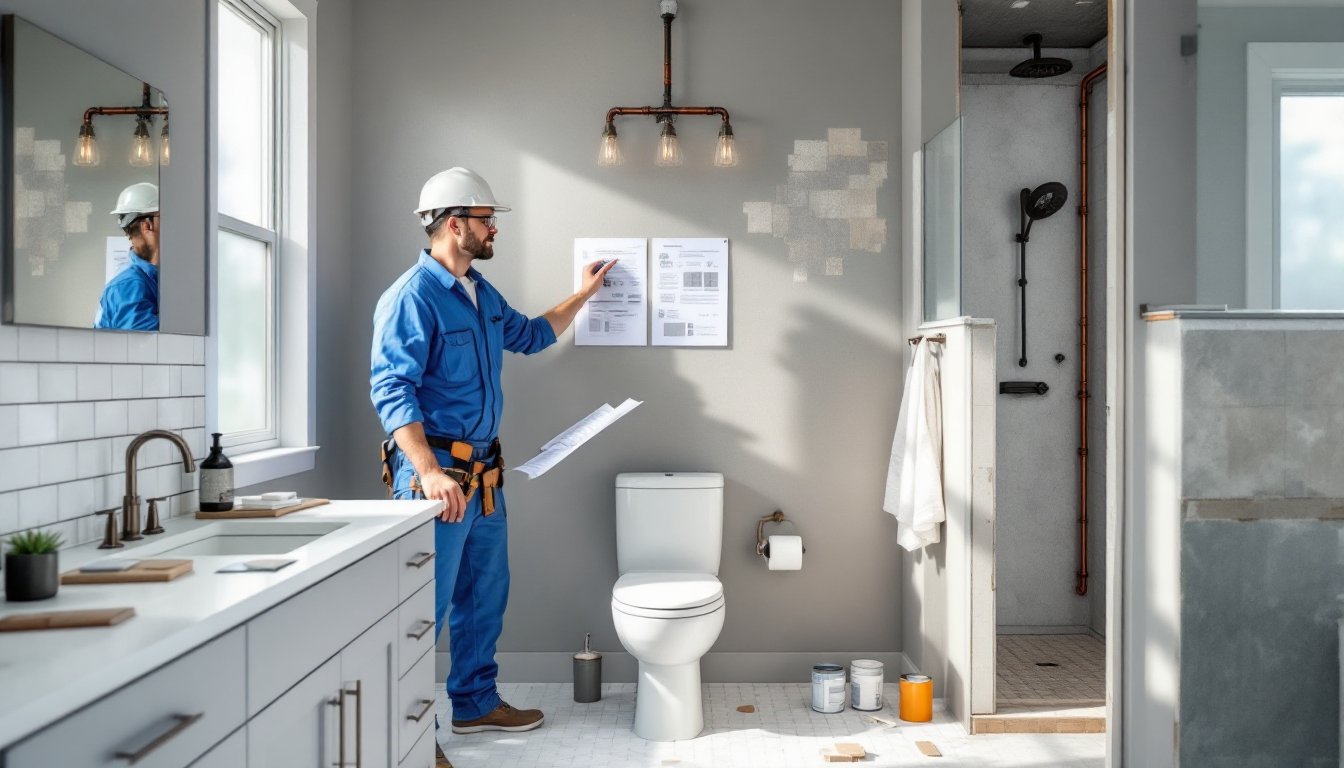
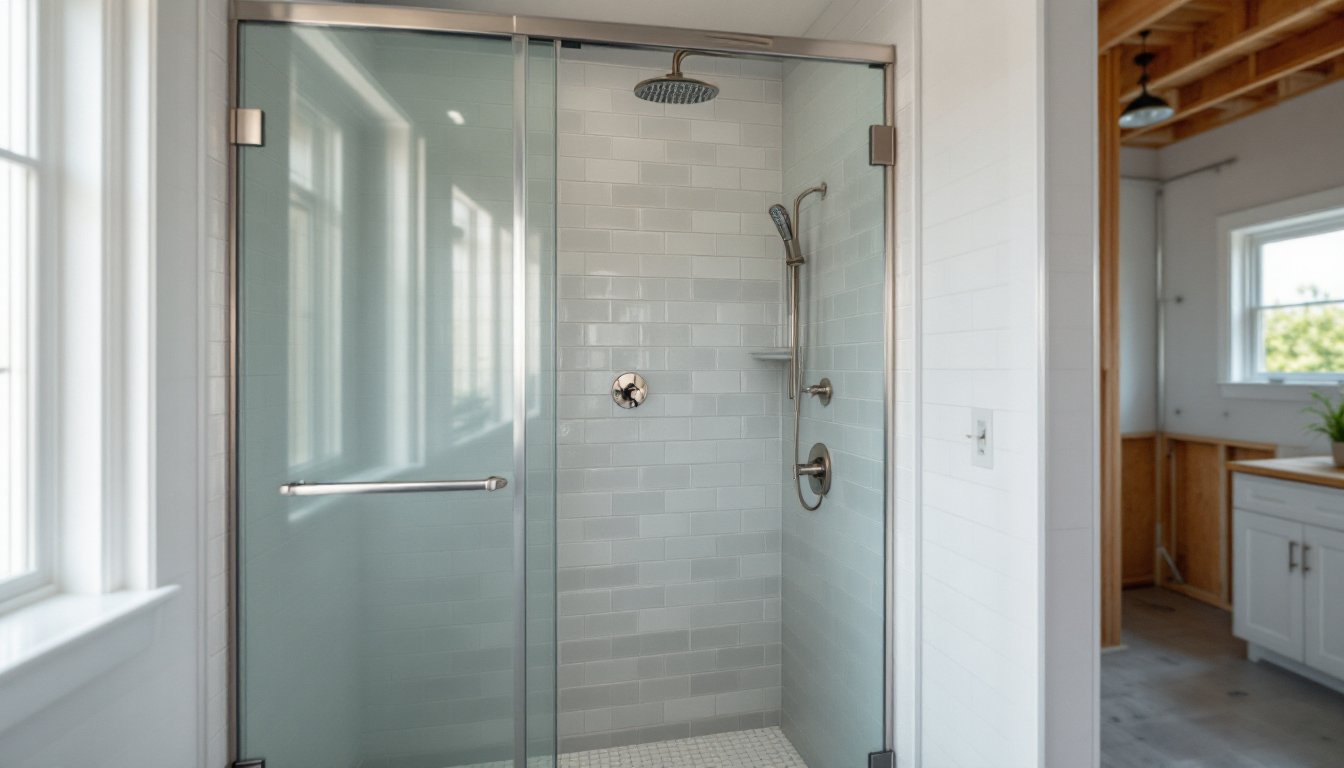
A bathroom renovation ranks among the highest-ROI home projects, recouping roughly 50–60% of your investment at resale while dramatically improving daily life. But “bathroom renovation” means wildly different things depending on your goals. A cosmetic refresh with new fixtures might run $3,000–$5,000, while a full gut-and-rebuild can exceed $25,000. Knowing where your money goes, and where you can trim without cutting corners, is essential before you pick up a hammer or call a contractor. This guide breaks down real 2026 costs, explains what drives the budget up or down, and shows you how to save smartly on your bathroom overhaul.
Table of Contents
ToggleKey Takeaways
- Bathroom renovation costs range from $3,000–$5,000 for cosmetic updates to $25,000+ for luxury projects, with ROI typically recouping 50–60% of your investment at resale.
- Labor and materials generally split 50–50 in a renovation budget, though high-cost regions and luxury projects shift labor to 60% or more due to skilled trades and design fees.
- Keeping your existing plumbing and electrical layout is one of the smartest cost-saving strategies, potentially saving thousands compared to relocating fixtures.
- Mid-range materials like porcelain tile and luxury vinyl plank deliver durability and aesthetic appeal at 40–50% less cost than high-end natural stone and designer finishes.
- A 15–20% contingency cushion for unexpected issues like rotted subflooring or outdated electrical work prevents budget overruns and stressful mid-project surprises.
- Hiring a general contractor with a 10–20% markup streamlines coordination and accountability, ultimately saving money compared to managing multiple separate trades yourself.
Average Bathroom Renovation Costs By Scope
Budget-Friendly Renovations
A budget-friendly bathroom redo focuses on cosmetic updates: fresh paint, new hardware, updated fixtures, and perhaps new lighting. You’re not touching structural elements, plumbing rough-in, or tile work beyond what exists. Materials like contractor-grade vanities, mid-range faucets, and simple lighting run $2,000–$4,000. If you handle demolition, prep, and painting yourself, you can keep total costs under $5,000. This approach works best if your layout, plumbing, and electrical already meet your needs, you just want the space to feel current and clean.
Mid-Range Renovations
Mid-range projects ($8,000–$15,000) include fixture replacement, selective tile or flooring updates, new cabinetry, and possibly minor plumbing or electrical tweaks. You might tile the shower surround, replace the toilet and vanity, upgrade to a better-quality faucet, and add ventilation. Labor becomes a bigger line item here since tile work, plumbing connections, and finish carpentry demand skill. Most homeowners bring in contractors for the wet work (plumbing and tile) while handling demo and painting themselves to save 20–30% on labor.
Luxury Renovations
Luxury renovations ($20,000–$40,000+) involve structural changes: moving plumbing, relocating the toilet, enlarging the shower, or adding a soaking tub. High-end materials, natural stone, custom cabinetry, heated floors, spa-grade fixtures, push costs higher. A designer or architect typically guides the project to maximize flow and aesthetics. These jobs almost always require permits, inspections, and licensed trades. Luxury renovations are less about DIY and more about orchestrating professional teams over several weeks.
Key Cost Factors That Impact Your Budget
Labor Costs Vs. Material Costs
In a typical bathroom renovation, labor and materials split roughly 50–50, though the balance shifts by project scope and region. A $10,000 mid-range bathroom might be $5,000 labor and $5,000 materials: a luxury $30,000 project could see $18,000 in labor (architect, GC markup, skilled trades) and $12,000 in materials.
Labor costs depend on local wage scales, contractor experience, and project complexity. Plumbers and tile setters command premium hourly rates, $75–$150+ per hour depending on your market. Demolition and prep work run cheaper but take time: poor prep causes expensive rework later. If you’re in a high-cost-of-living area, expect labor to absorb a larger share of your budget than national averages suggest.
Material costs vary by quality tier. A basic toilet runs $150–$300: a high-efficiency, smart-feature model reaches $800+. Tile pricing ranges from $1–$3 per square foot for ceramic to $15–$30+ for natural stone. Vanities span $300 for a stock unit to $3,000+ for custom cabinetry. Flooring, whether vinyl, ceramic, or stone, starts around $2–$5 per square foot installed, depending on material and subflooring prep.
One often-overlooked cost is contingency. Bathrooms hide surprises: rotted subflooring, old plumbing that needs replacement, electrical that doesn’t meet code. Budget 10–20% extra for unknowns discovered mid-project. Contractors building their estimates often pad 15% for this reason.
Geography and timing matter too. Bathroom renovations in urban centers cost 30–50% more than suburban or rural areas. Winter (off-season for contractors) sometimes brings better pricing: summer competition drives rates up. Sourcing materials during supply-chain disruptions (like 2021–2022) meant price spikes and delays: current 2026 supply chains are more stable, but specialty items still carry wait times.
A resource like HomeAdvisor’s cost estimators helps you benchmark local labor and material prices for your zip code before getting quotes.
Where To Save Money Without Sacrificing Quality
Keep the existing layout. Moving plumbing or electrical adds thousands to the budget. If your toilet, tub, and sink locations work, keep them. A cosmetic refresh, new vanity, fixtures, and tile, costs far less than rerouting supply lines and drain stacks.
Refinish instead of replace (selectively). Bathtub refinishing ($300–$600) beats tub replacement ($2,000–$5,000). But, refinishing is a temporary fix (5–10 years): if the tub is cracked or the substrate is failing, you’ll eventually replace it. Use refinishing as a bridge strategy if you’re not ready for full renovation.
Choose durable mid-range materials. Porcelain tile costs a bit more than ceramic but lasts longer in wet areas. Budget-friendly luxury-look materials (like large-format porcelain or luxury vinyl plank) mimic stone and hardwood at half the price. These hold up well in bathrooms when properly installed with the right substrate and underlayment.
Buy from big-box retailers or online. Fixtures, vanities, and some tiles from Home Depot, Lowe’s, or online suppliers like Wayfair cost 20–40% less than designer showrooms while maintaining decent quality. But, return and warranty policies differ: confirm shipping and replacement terms before buying.
DIY-friendly tasks. Demolition, painting, caulking, and some simple tile backsplashes are realistic for handy homeowners. Platforms like Angi include DIY tutorials alongside contractor directories. Swinging a sledgehammer saves hundreds and works out frustration. But wet work, plumbing, waterproofing, and tile on vertical shower walls, demands experience. A rookie mistake here (poor grout seal, missed waterproofing) costs thousands to fix.
Shop during sales cycles. Fixture and vanity closeouts happen year-round as styles change. Black Friday, post-holiday sales, and end-of-season clearances yield 15–30% discounts. Plan your project timing to capitalize on these windows if budget allows.
Use a general contractor instead of separate subs. It tempts many DIYers to hire electrician, plumber, and tile setter separately to “save money,” but coordinating schedules, managing inspections, and handling disputes eats time and creates conflicts. A GC’s markup (10–20%) buys coordination and accountability. For a $12,000 project, that 15% markup costs $1,800, reasonable for peace of mind and a single point of contact.
Sites like ImproveNet connect homeowners with vetted contractors and provide project planning tools to keep budgets in check.
Phased approach. If budget is tight, break the project into phases. Redo the vanity, flooring, and paint in year one (cosmetic impact, lower cost). Add a new shower or tub in year two. Phasing spreads costs over time and lets you adjust based on the first phase’s success.
Planning Your Bathroom Renovation Budget
A bathroom renovation’s true cost depends on scope, materials, labor rates in your region, and your tolerance for DIY work. Start with a clear goal: cosmetic refresh, functional upgrade, or luxury overhaul. Get quotes from at least three contractors (after vetting their licenses and references). Build in a 15–20% contingency for surprises. And be honest about which tasks you can safely tackle yourself and which need a pro. With a realistic budget and a solid plan, your new bathroom will deliver years of satisfaction and real value when you’re ready to sell.