Remodeling a shower is one of the most impactful bathroom upgrades a homeowner can make, and walk-in showers have become the standard for modern bathrooms. But before you start removing tile, you need to know: what does a one-day walk-in shower installation actually cost? The answer depends on whether you’re doing a basic swap or a full renovation, and it matters more than you’d think. This guide breaks down real 2026 pricing, the variables that move the needle on your invoice, and where homeowners typically overspend, so you can plan a project that fits your budget and timeline.
Table of Contents
ToggleKey Takeaways
- A standard one-day walk-in shower installation costs between $3,000 and $8,000 for labor and materials, but structural changes can push costs to $10,000 to $15,000 or more.
- Material selection is the biggest cost driver—basic prefab enclosures start at $800 to $2,000, while custom tile and high-end fixtures can add $3,000 to $6,000+.
- Labor accounts for 40-60% of total walk-in shower cost, with regional rates varying from $50-$75 per hour in rural areas to $85-$150+ per hour in major metros.
- Hidden expenses like permits ($100-$400), waterproofing ($500-$1,200), and plumbing adjustments ($400-$1,500) frequently catch homeowners off guard—budget 10-15% contingency.
- Choosing a prefabricated enclosure over custom tiling, keeping the existing plumbing layout, and comparing 3-4 contractor quotes can save 5-15% on your walk-in shower project.
- Most homeowners land in the mid-range option of $5,500 to $10,000, which balances upgraded fixtures and semi-custom tiling without premium spa-like costs.
Average Cost of a Walk-In Shower Installation
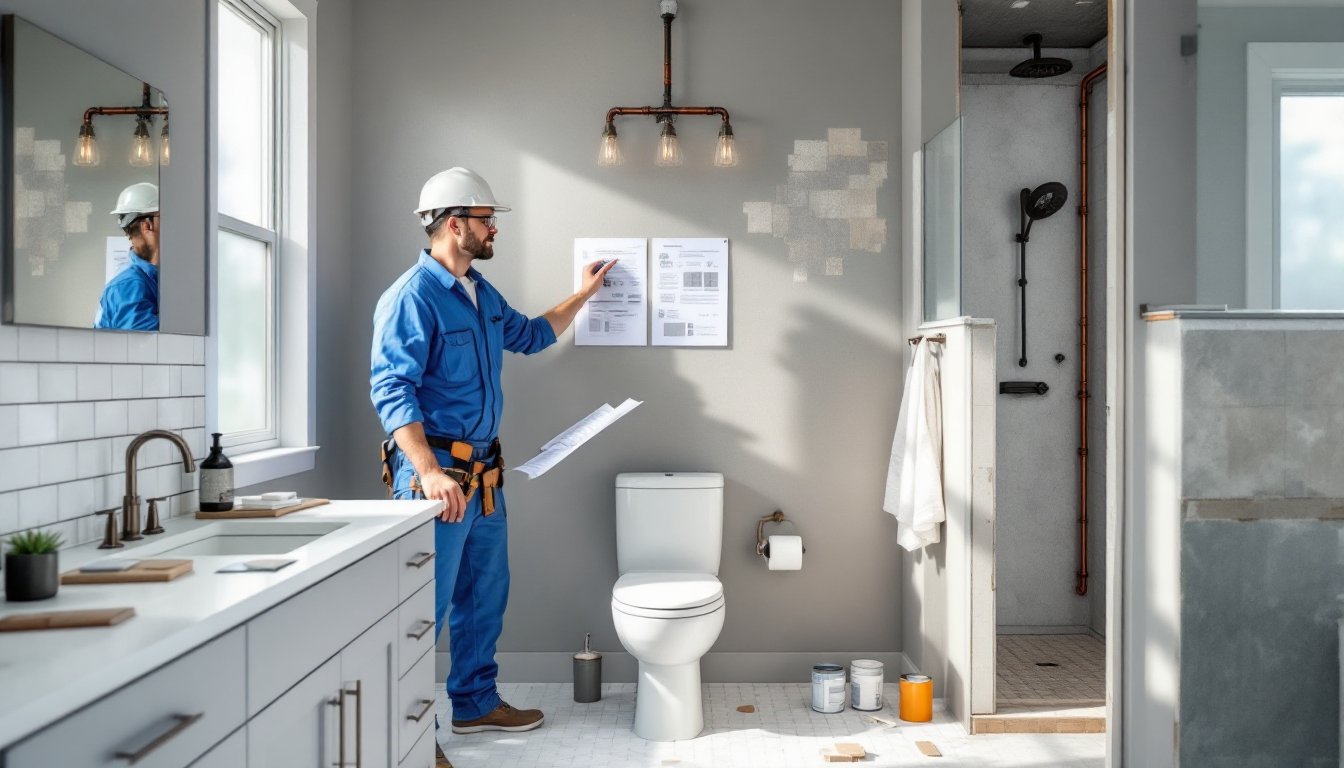
A straightforward one-day walk-in shower installation typically runs between $3,000 and $8,000 for labor and materials combined. This covers removing the old enclosure, preparing the space, installing new fixtures, and basic tiling.
If you’re simply swapping out an existing shower enclosure with a new walk-in unit in the same footprint, you’re looking at the lower end of that range. The plumbing and rough-ins stay put, and the installation crews handle the job in a single day or two.
But, walk-in showers that require structural changes, moving water lines, upgrading to a larger floor pan, or relocating the drain, can easily push into the $10,000 to $15,000+ range. HomeAdvisor’s shower remodel cost data shows that labor typically accounts for 40% to 60% of the total expense, meaning the fixtures and materials you choose directly impact the bottom line.
These figures assume standard-sized bathrooms in average markets. Urban areas, high-demand regions, and custom designs move the price upward.
Factors That Affect Walk-In Shower Costs
Materials and Fixtures
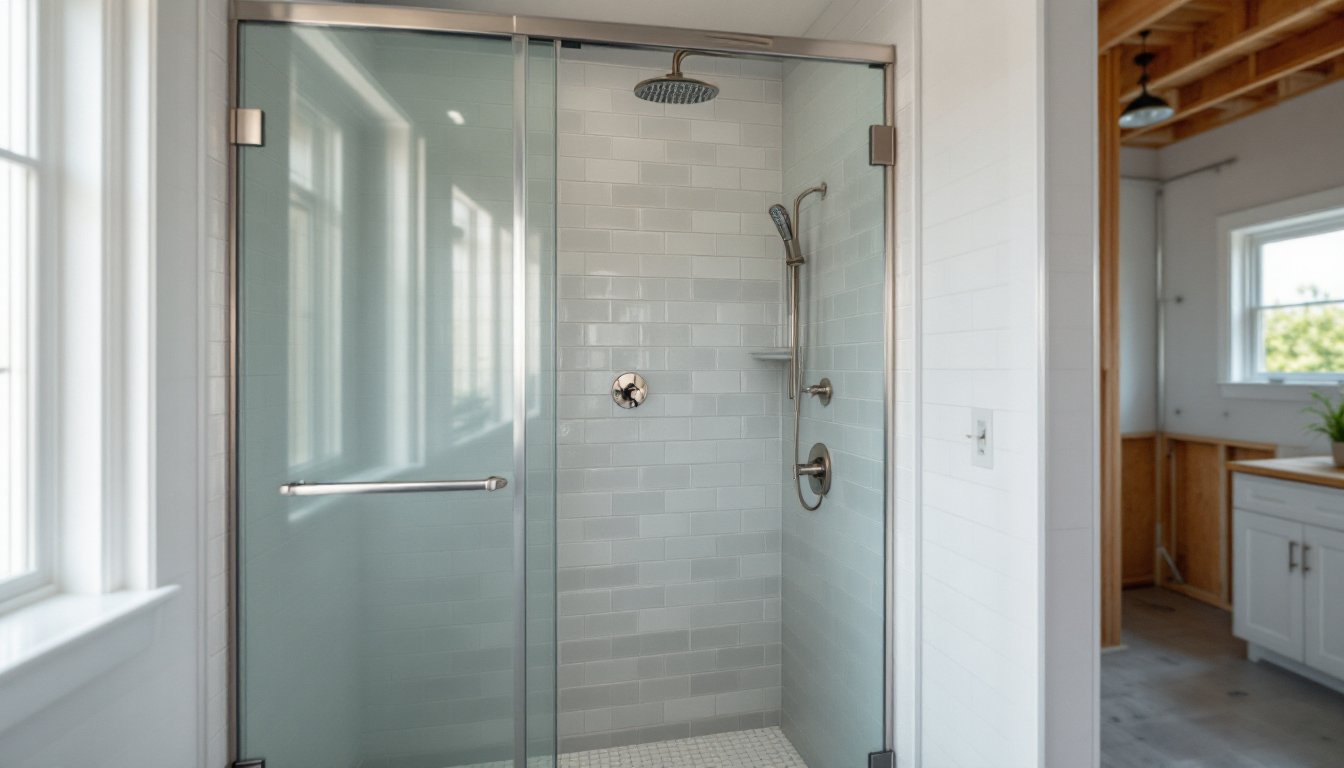
Your choice of materials is the single biggest cost driver. A basic prefabricated walk-in enclosure with acrylic or fiberglass walls and a standard showerhead runs $800 to $2,000. These units are standardized, easy to install, and reliable for 10+ years if maintained properly.
Custom tile work, especially natural stone like marble or travertine, adds significant cost. A tiled walk-in shower with a linear drain, waterproofing membrane, and mid-range tile can run $1,500 to $4,000 for materials alone. High-end tile (natural stone, large-format porcelain, or specialty finishes) climbs to $3,000 to $6,000+.
Fixtures matter too. A basic chrome showerhead and trim kit costs around $200 to $500. If you’re adding rainfall heads, body sprays, thermostatic valves, or luxury finishes (brushed nickel, matte black, gold), expect an additional $500 to $2,000.
Labor and Installation Time
Labor rates vary dramatically by region. In rural areas, you might find installers at $50 to $75 per hour. In major metropolitan areas, expect $85 to $150+ per hour. A one-day installation typically requires two workers for 8 to 10 hours, which translates to $800 to $3,000 in labor alone.
The “one-day” timeline assumes your existing plumbing and drain are in the right spots. If plumbers need to run new supply lines, reroute drains, or address structural issues, add another 4 to 8 hours minimum. Permits can also delay the start if your jurisdiction requires inspection. Angi’s contractor resources show that clear communication with your installer about timeline expectations prevents costly delays and overruns.
Budget-Friendly vs. Premium Options
Budget Option: $3,000 to $5,000
If cost is your primary concern, a standard prefabricated walk-in enclosure with basic fixtures gets the job done. Most installers can drop a new unit into an existing space in one day. Pair it with modest tile work in the wet area (a few feet around the enclosure), a basic showerhead, and standard caulk finishes. You’ll get a functional, clean shower that works perfectly for 10-15 years.
Mid-Range Option: $5,500 to $10,000
This is where most homeowners land. You’ll get a mix of semi-custom tiling, upgraded fixtures (maybe a rainfall head and a second sprayer), and finishes that look intentional. These showers hold up well to daily use and minor styling choices that reflect your taste without very costly.
Premium Option: $10,000 to $20,000+
High-end materials (natural stone, custom tiling patterns, spa-grade fixtures), frameless glass enclosures, heated floors, and custom lighting all live here. Premium installations may take two days or require specialized tradespeople. The results are stunning and long-lasting, but the investment reflects it.
Your budget should align with how long you plan to stay in the home and how much the bathroom upgrade improves resale value in your market.
Hidden Costs and Additional Expenses
Most DIYers budget for the shower unit and labor, then get surprised by line items that add hundreds or thousands:
Permits and Inspections: Plumbing and structural changes typically need permits in most jurisdictions. A permit costs $100 to $400, plus inspection time. Some installers roll this into their quote: others don’t.
Waterproofing and Substrate Prep: If you’re tiling, you’ll need a proper waterproofing membrane (Kerdi, Redgard, or similar), proper underlayment, and prep work, easily $500 to $1,200. Cutting corners here leads to mold and leaks within a year.
Ventilation Upgrades: Walk-in showers generate serious moisture. If your existing exhaust fan isn’t sufficient, upgrading to a larger unit or adding humidity sensors costs $300 to $700.
Plumbing Adjustments: Relocating a drain, adding a second supply line for a body spray, or rerouting pipes to avoid studs adds $400 to $1,500 depending on complexity.
Structural Repairs: If the installer discovers rot, mold, or inadequate framing during demo, you’re looking at repairs that weren’t in the original scope. This is why experienced contractors insist on a pre-project site visit.
Tile, Grout, and Sealant: These are not cheap. Expect $200 to $600 just for quality tile sealants, grout, and cleanup materials.
How to Save Money on Your Walk-In Shower Project
Start with a solid scope and inspection. Have your contractor walk through your bathroom, check the existing plumbing and drain locations, and give you a detailed estimate that calls out any surprises. Budget 10-15% contingency for unknowns, that’s realistic, not paranoid.
Choose a prefab enclosure if the footprint allows it. Custom tiling is beautiful but expensive. A high-quality prefabricated walk-in unit (acrylic or fiberglass) with mid-range fixtures hits the sweet spot of style and budget.
Negotiate on timing. Contractors are often eager to fill gaps in their schedule. Asking if they can fit you in during a slower week or bundling your shower with another project (like a bathroom vanity update) can yield 5-10% discounts.
Buy fixtures separately and have your installer handle the install. Some installers mark up fixtures heavily. Shop online for showerheads, trim kits, and valves, you can often find $100 to $300 in savings, then hire the pros to install them.
Keep the existing layout. Moving plumbing is expensive and often unnecessary. If your existing drain and supply lines work, keep them.
Get multiple quotes. ImproveNet’s cost guides emphasize the value of comparing 3-4 contractors in your area. Prices vary, and so do quality and warranty terms. A cheaper quote might come with hidden fees or inexperienced work.