Bathroom remodels rank among the highest-ROI home improvement projects, but they’re also notorious for surprising costs. Whether you’re updating a powder room or gutting a primary bath, understanding the range, from a modest $5,000 refresh to a $50,000-plus luxury overhaul, helps you make informed decisions before swinging the first hammer. This guide breaks down what a bathroom remodel actually costs in 2026, what drives those costs, and how to identify and prepare for the hidden expenses that derail most budgets.
Table of Contents
ToggleKey Takeaways
- The national average bathroom remodel cost ranges from $10,000 to $15,000, with small cosmetic updates starting at $5,000 and luxury overhauls exceeding $50,000 depending on scope and location.
- Labor typically consumes 40–65% of the total bathroom remodel budget, making contractor selection and local labor rates critical factors in your final costs.
- Budget-friendly cosmetic updates under $5,000 require keeping plumbing and electrical in place, while mid-range projects ($5,000–$15,000) allow for fixture upgrades and one utility line relocation.
- Hidden costs like structural damage, mold remediation, permits, and plumbing rerouting can add $500–$3,000 or more, so reserve a 15–20% contingency buffer above your quoted price.
- Get multiple written quotes that itemize labor and materials separately, and prioritize mid-range contractors with solid reviews over the cheapest option to ensure quality and realistic budgets.
What Does A Typical Bathroom Remodel Cost?
The national average for a bathroom remodel sits around $10,000 to $15,000, though this varies significantly based on scope and location. A small powder room refresh might run $5,000–$8,000, while a full master bath overhaul easily reaches $20,000–$30,000 or more. According to recent industry data, the average bathroom remodel cost hovers near $12,130, with homeowners typically spending between $6,640 and $25,000 depending on how much of the room they’re gutting.
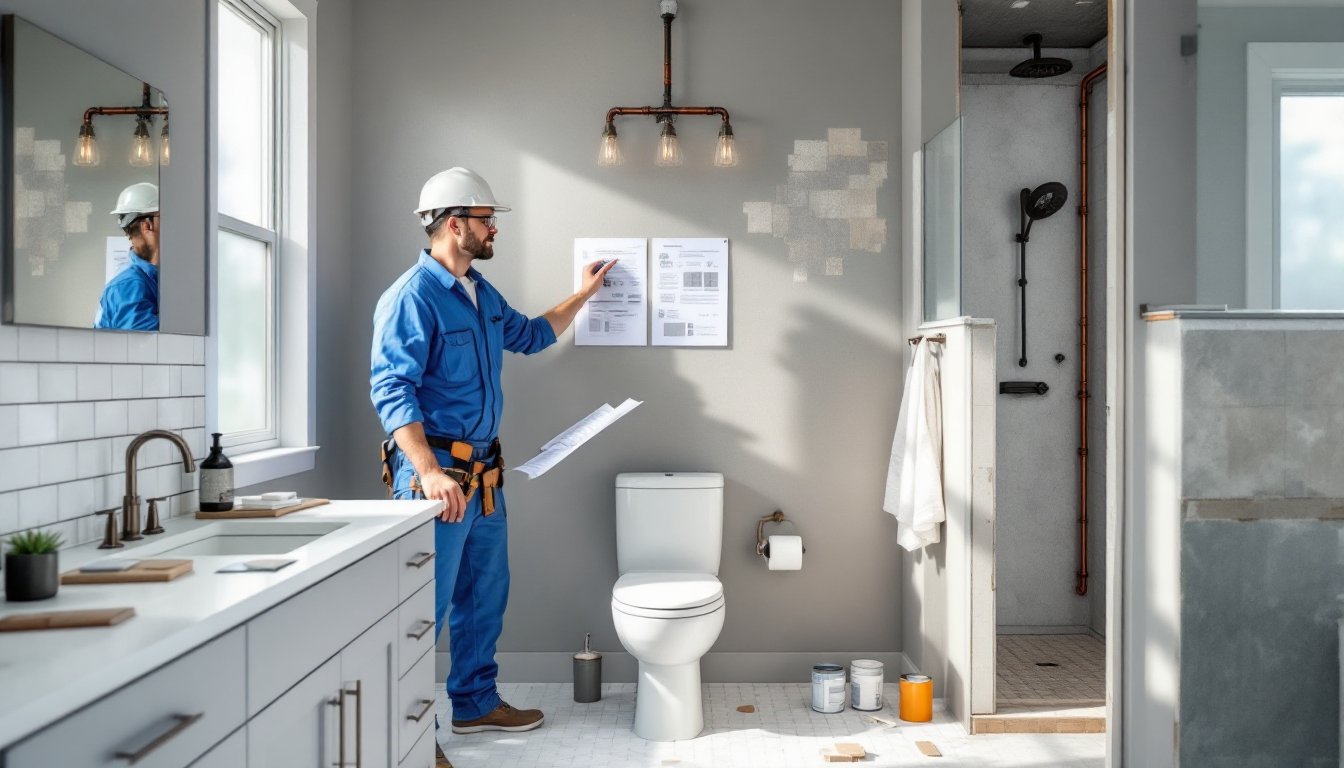
Scope matters enormously. A cosmetic update, new vanity, paint, flooring, and fixtures, costs far less than relocating plumbing lines or moving walls. Labor typically consumes 40–65% of the total budget, especially if structural or plumbing work enters the picture. Materials like tile, fixtures, and cabinetry account for the remainder. Geographic location, local labor rates, and material availability push costs up or down: remodels in major metros run 20–40% higher than rural areas.
Budget-Friendly Bathroom Remodels Under $5,000
If you’re targeting a $3,000–$5,000 budget, focus on cosmetic changes: new vanity and faucet, fresh paint, updated lighting, new mirror, and flooring replacement (vinyl plank or basic ceramic tile). You’ll typically handle much of the work yourself or hire a handyman for a day or two rather than a full contractor crew.
Keep plumbing and electrical in their existing locations. Don’t move the toilet, sink, or shower, that’s where costs spike fast. A reconditioned or budget vanity runs $300–$800, basic faucets $150–$400, and vinyl flooring $500–$1,500 depending on square footage. Paint and hardware add $200–$500. This approach works for half-baths or secondary bathrooms where you’re not tackling structural changes. You’ll save thousands but won’t dramatically increase home value compared to mid-range remodels.
Mid-Range Bathroom Renovations ($5,000–$15,000)
This is the sweet spot for most homeowners. With $5,000–$15,000, you can replace most fixtures, install quality tile, upgrade to a new tub or shower surround, refresh cabinetry, and potentially relocate one utility line (like moving a sink slightly). Most mid-range projects keep the toilet in place but replace it with a modern, water-efficient model.
A quality vanity runs $800–$2,500: mid-grade tile, $1,000–$3,000: fixtures and faucets, $600–$1,500: lighting and mirrors, $400–$800. Contractor labor for a 5×8 bathroom typically runs $3,000–$6,000. This budget allows for solid materials and professional installation without venturing into luxury finishes. Homeowners on ImproveNet and similar platforms commonly report satisfaction with mid-range projects because they achieve a significant aesthetic lift and functional improvements without bleeding into five figures.
Luxury Bathroom Remodels $15,000 and Above
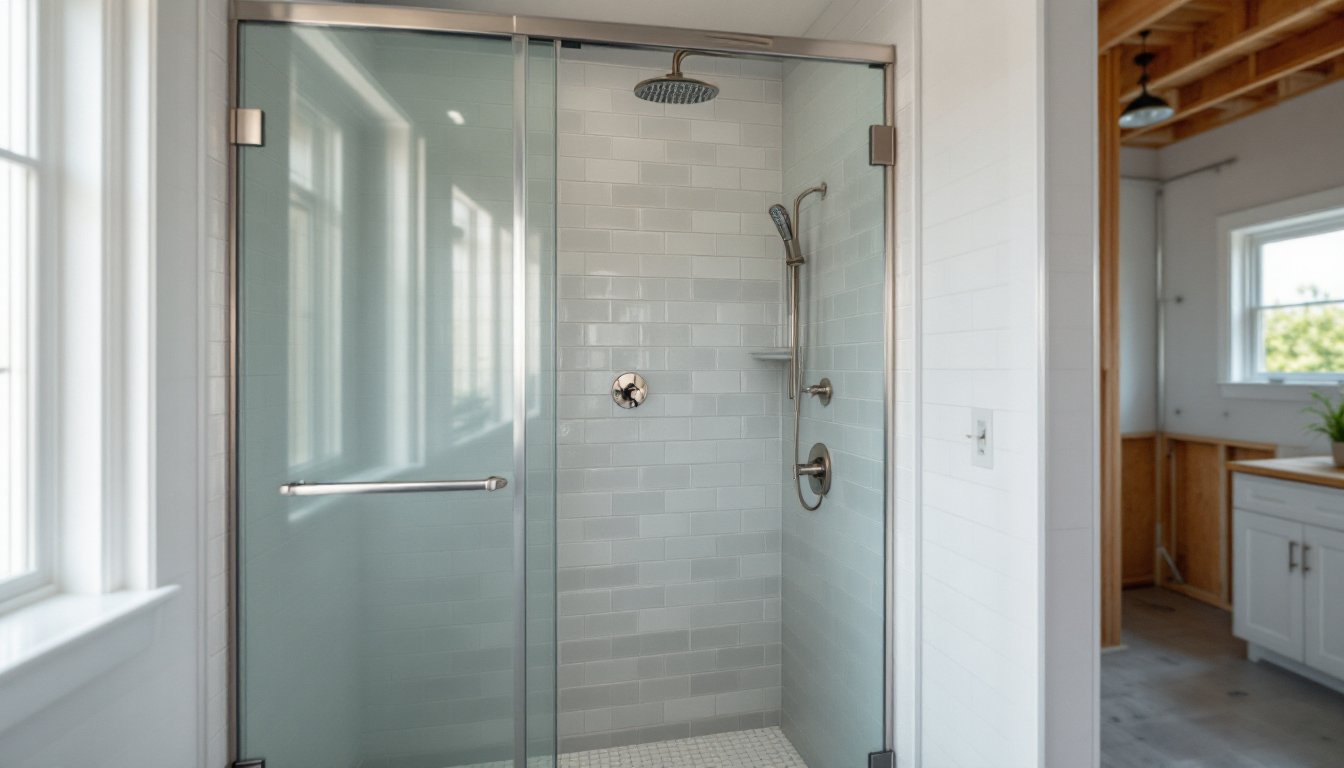
$15,000 and above opens doors to high-end fixtures, custom cabinetry, heated floors, spa-grade showers, and structural changes. Luxury bathrooms often include heated towel racks, rainfall showerheads, frameless glass enclosures, custom tile work, and premium stone surfaces like marble or granite. A single high-end faucet can run $800–$2,500: custom cabinetry, $3,000–$8,000: a luxury shower system, $2,000–$5,000.
These projects frequently require structural modifications, relocating walls, upgrading electrical for new circuits, installing underfloor heating, that drive labor costs to $8,000–$15,000 or more. Luxury remodels often take 8–12 weeks versus 4–6 weeks for mid-range work. You’re paying for designer-grade materials, meticulous craftsmanship, and specialized contractors. Projects at this level almost always require permits and multiple inspections, adding time and cost but ensuring code compliance and proper installation.
Hidden Costs and Unexpected Expenses to Prepare For
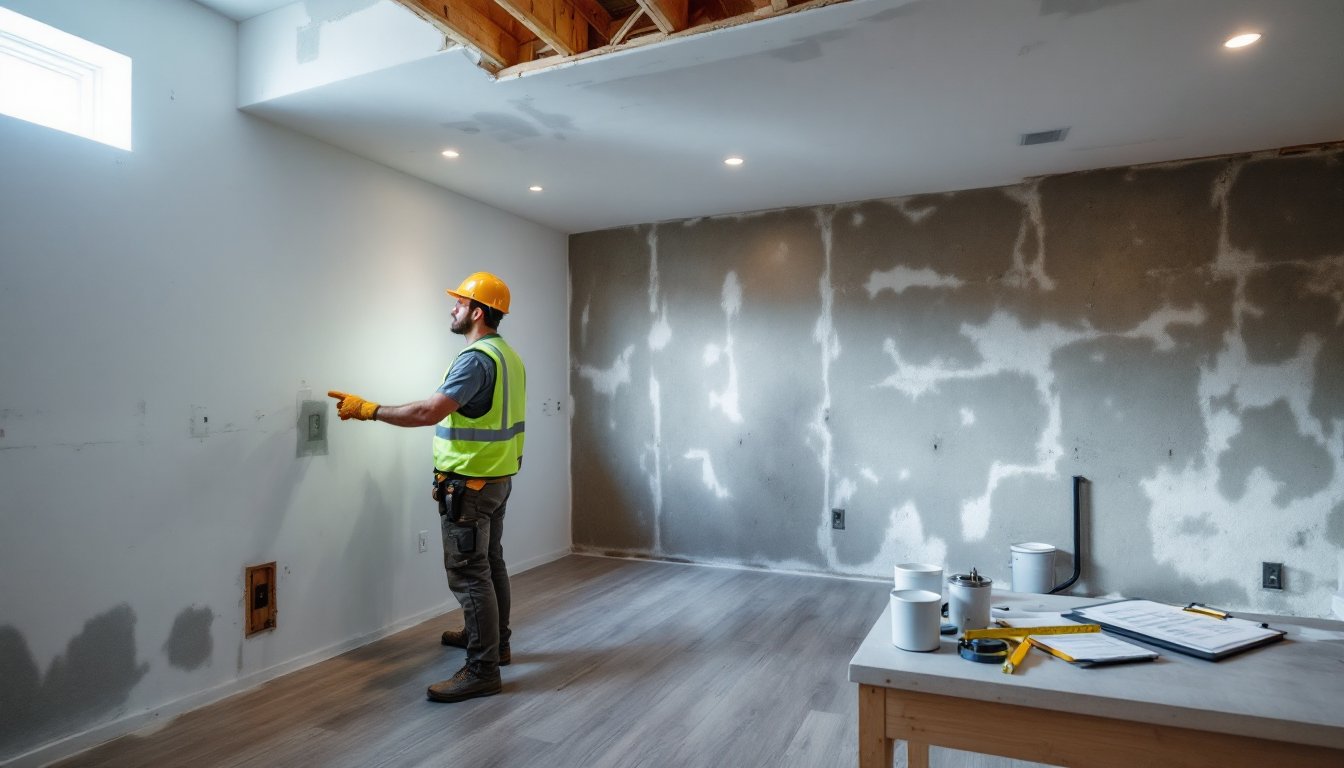
Budget overruns in bathroom remodels typically stem from discovered problems once walls come down. Mold or water damage behind tiles, rotted subfloor, outdated plumbing requiring replacement sections, or failing electrical wiring that doesn’t meet current code, these hidden issues add $500–$3,000 or more before you know it. Always allocate a 15–20% contingency buffer on top of your quoted price.
Permits and inspections, often overlooked, cost $100–$500 depending on your jurisdiction. Asbestos or lead-based paint, common in older homes, requires certified removal ($500–$2,000). Plumbing rerouting beyond a short stub adds $1,000–$3,000 per line moved. Upgrading electrical panels or adding new circuits, $500–$1,500. Temporary bathroom access during the remodel (renting a porta-potty or relocating to another bathroom) isn’t glamorous but necessary. Disposal and hauling debris from a full gut-down runs $300–$800. Getting multiple quotes and specifying that contractors account for potential problems helps surface realistic budgets upfront.
How to Estimate Your Bathroom Remodel Budget
Start by measuring your bathroom and listing every element: flooring material and square footage, wall tile area, cabinetry and countertop, shower/tub type and surround, faucets, lighting, hardware, and mirrors. Assign a cost range to each (budget, mid-grade, luxury options). Research local labor rates, call 2–3 contractors for rough estimates on labor alone.
Online cost estimators and platform tools offer ballpark figures, but nothing beats talking to local contractors who understand your region’s material costs and code requirements. Platforms like Angi provide project cost guides and contractor reviews. Gather inspiration and specific product prices from big-box stores and specialty plumbing suppliers: know exactly what you’re buying before meeting a contractor. Write a detailed scope of work covering every element, then request written quotes itemizing labor and materials separately. This comparison prevents surprises. Remember: the cheapest quote often hides quality corners: mid-range contractors with solid reviews typically deliver the best value.
Conclusion
Bathroom remodels range from $5,000 for cosmetic updates to $50,000-plus for luxury overhauls, with most homeowners landing between $10,000 and $20,000. Understand your scope, get multiple quotes, and budget 15–20% extra for surprises. The key to a successful project, and a budget that holds, is clear expectations upfront and choosing contractors who communicate honestly about what’s feasible at your price point.