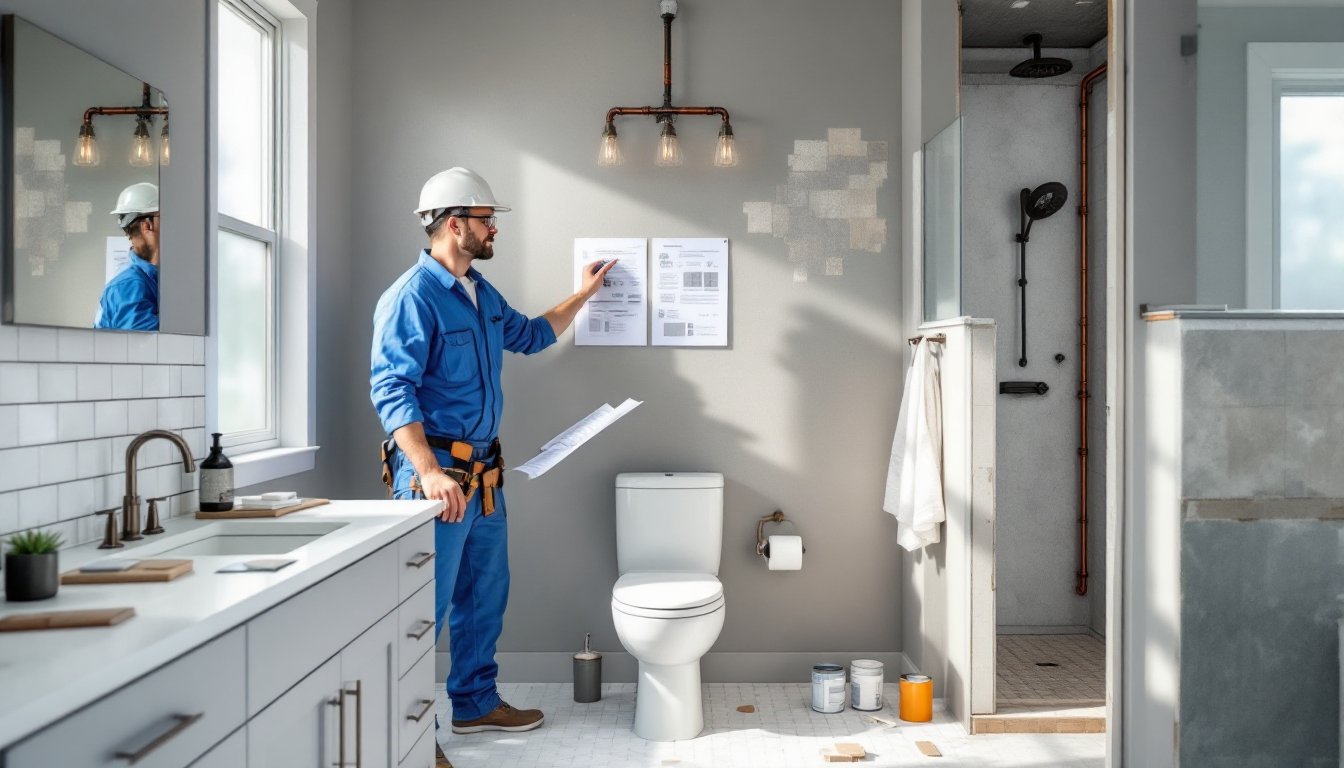
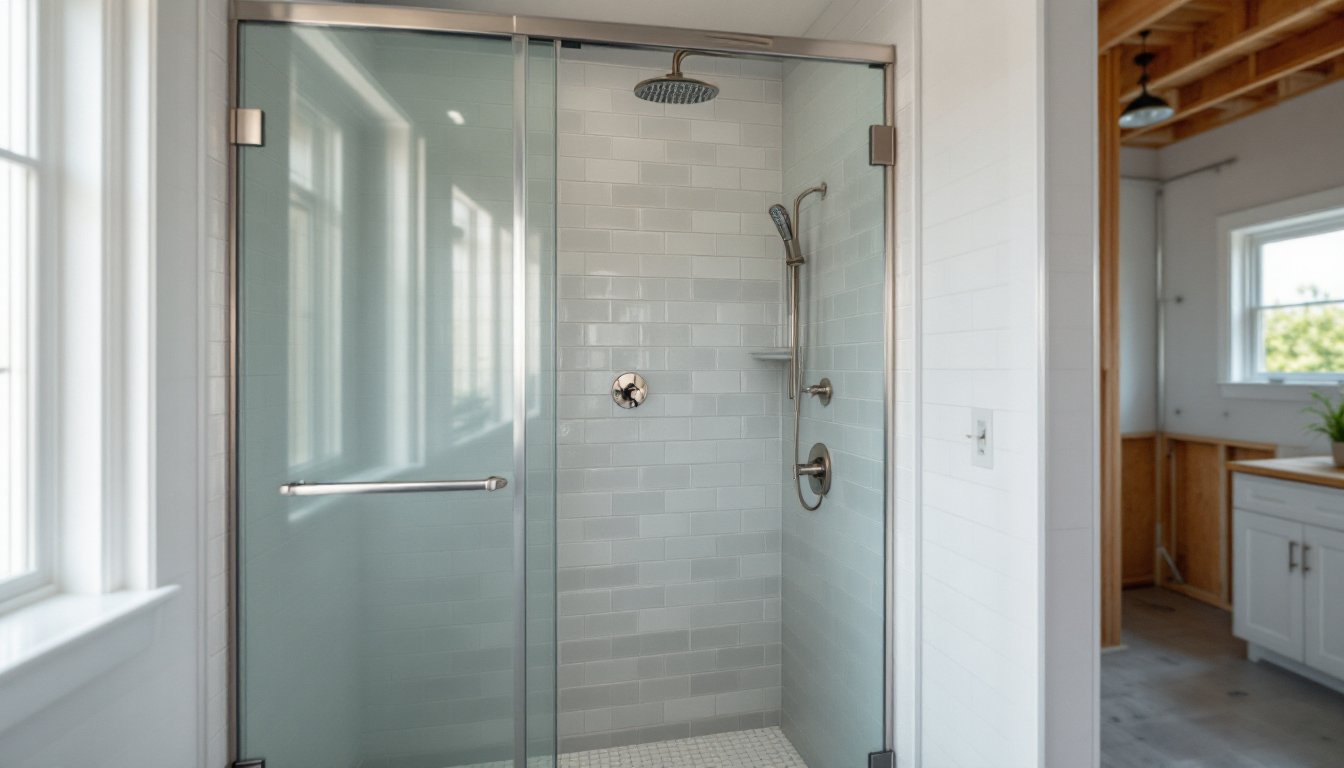
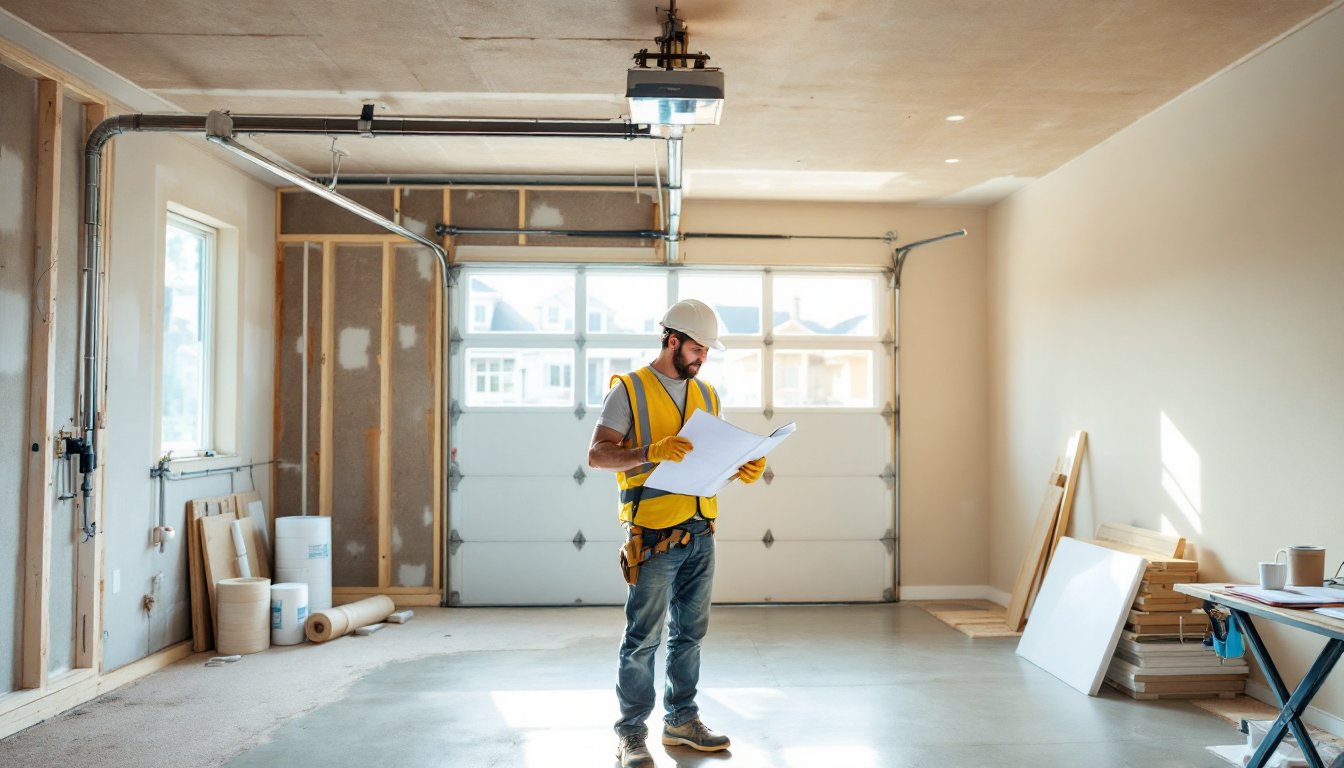
Planning a shower remodel? One of the first questions homeowners ask is: “How much will this cost?” The answer isn’t simple because shower remodel expenses vary widely depending on scope, materials, and your location. Understanding what you’re likely to spend, and where those dollars go, helps you plan realistically and avoid budget-busting surprises. Whether you’re upgrading fixtures, refreshing tile, or doing a complete gutting, knowing the average shower remodel cost gives you a foundation for decisions. This guide breaks down typical expenses so you can budget smartly and make choices that align with your home and wallet.
Table of Contents
ToggleKey Takeaways
- The average shower remodel cost ranges from $3,000 to $8,000 for basic to mid-range projects, with high-end custom showers exceeding $15,000 depending on scope and materials.
- Labor costs typically account for 40–60% of your total budget, with skilled bathroom remodelers charging $50–$150 per hour across 40–80 hours of work.
- Material choices, especially tile selection (ceramic at $1–$8 per square foot versus natural stone at $3–$20+), can swing your budget by $1,000 or more for a single shower surround.
- Always add a 10–15% contingency buffer to your estimated shower remodel cost to cover inevitable surprises like hidden water damage, plumbing issues, or mid-project design changes.
- Structural decisions and fixture upgrades—such as adding body jets, steam functionality, or moving plumbing lines—can add $500–$3,000 to your final shower remodel bill.
- Get detailed quotes from at least two licensed contractors and clarify permit requirements in your jurisdiction before starting, as unpermitted work can complicate future home sales.
What Homeowners Typically Spend on Shower Remodels
The average shower remodel in 2026 typically costs between $3,000 and $8,000 for a basic to mid-range project. High-end custom showers can push $15,000 or beyond. That $5,500 midpoint figure you’ve probably seen assumes a cosmetic refresh with some new fixtures, new showerhead, some tile work, and modern vanity touches. But “average” is misleading because two homeowners with similar bathrooms can spend vastly different amounts based on choices.
According to industry data, homeowners report shower remodel spending in several tiers. A simple cosmetic update, new tile, grout, paint, and hardware, might cost $2,000 to $4,000. A mid-range remodel with fixture upgrades, partial wall work, and quality materials runs $4,000 to $8,000. A luxury remodel with custom tile, steam showers, heated floors, or structural changes climbs quickly past $10,000. Regional labor rates matter enormously: a shower remodel in San Francisco costs far more than the same project in rural Tennessee.
Budget inflation is real. Material costs have shifted since 2024, and supply chain delays occasionally affect specialty tile or fixtures. Labor rates continue climbing in competitive markets. The takeaway: start with a realistic range based on your scope, then add 10–15% contingency for the inevitable surprises, hidden water damage, plumbing surprises, or design changes mid-project.
Key Factors That Impact Your Shower Remodel Budget
Not all shower remodels are created equal. Several variables dramatically shift your final bill.
Scope of Work and Fixture Upgrades
The biggest budget driver is deciding what you’re actually replacing. Are you keeping the existing shower footprint, or expanding it? Knocking out a wall or adding a second showerhead means plumbing rework and possibly permit work, that alone adds $500 to $2,000. Simply re-tiling an existing shower enclosure costs far less than installing a walk-in shower with custom curbs and threshold work.
Fixture upgrades matter too. A basic showerhead runs $50–$150. Premium low-flow or rainfall models cost $200–$500. Thermostatic valves that maintain water temperature add $300–$700. If you’re adding body jets, steam functionality, or smart controls, you’re adding $1,000–$3,000 or more. According to renovation cost guides, these upgrades are where “nice to have” turns into real money.
Structural decisions carry weight. A standard alcove shower (three walls, existing framing) stays cheaper than a corner or neo-angle shower, which requires more complex layout work. If you’re addressing structural issues, rotted subfloor, failing waterproofing, or mold remediation, expect those to add $500–$2,500 depending on severity.
Materials and Design Choices
Tile selection is the second major cost lever. Ceramic tile ranges from $1 to $8 per square foot: porcelain runs $2 to $15: natural stone (marble, travertine, slate) costs $3 to $20 or more. A typical shower surround needs 50–150 square feet of tile, so choosing granite instead of ceramic can swing your budget by $1,000 easily. Grout, sealant, and accent work (niche surrounds, borders, waterproofing membranes) add another few hundred dollars.
Waterproofing underlayment and substrate choices affect both cost and durability. Standard drywall with waterproofing primer is the cheapest base. Cement board costs a bit more but’s more water-resistant. Schluter systems and comparable membrane-based products run $4–$8 per square foot but offer superior protection. Skimping here is a classic mistake, a leaky shower means future wall rot and mold, costing thousands to repair.
Fixtures beyond the showerhead matter: a new mixing valve ($200–$600), trim rings, escutcheons, and handles add up. If you’re replacing the entire tub-shower assembly, you’re looking at $600–$2,000 for the unit alone. Ventilation, exhaust fans, ducting, grates, runs $200–$500 if not already in place.
Breakdown of Major Shower Remodel Costs
Understanding where money actually goes helps you make smart trade-offs.
Labor and Installation Expenses
Labor typically represents 40–60% of a shower remodel budget. A skilled bathroom remodeler charges $50–$150 per hour depending on location and experience: most shower jobs run 40–80 hours. That’s $2,000 to $12,000 in labor alone for a full remodel. Demolition work, removing old tile, fixtures, and disposing of debris, takes a day or two and costs $300–$800.
Tile installation labor is meticulous work. Professional tile setters charge $5–$15 per square foot for setting and grouting, sometimes more for complex patterns or natural stone. A 100-square-foot shower enclosure could run $500–$1,500 in tile labor alone. Plumber labor for rough-in work (running new supply lines, drain repositioning, vent work) adds $800–$2,000 depending on complexity.
Permits and inspections aren’t glamorous but are real costs. Many jurisdictions require permits for bathroom remodels, especially if you’re modifying plumbing or electrical. Permit fees run $50–$300, and inspector time can add another $100–$200. Don’t skip this step, unpermitted work can complicate future home sales or insurance claims.
Plumbing and Structural Updates
Plumbing surprises eat budgets. If you’re moving a drain or supply lines, expect $500–$1,500. If the existing rough-in is old copper or galvanized steel, you might upgrade to PEX or new copper, costing another $300–$800. Mixing valves (which blend hot and cold water for safety and comfort) run $200–$600 installed.
Structural work happens when you discover problems. Hidden water damage, rot, or mold remediation can add $500–$3,000. If you’re adding a second drain for a rain panel or expanding the shower, drainage work is complex, call a licensed plumber. Ventilation upgrades, if needed, add $200–$500.
Water supply lines and drain placement are non-negotiable. You can’t cut corners here. Poor plumbing leads to leaks, water pressure issues, or slow drains that plague you for years. Budget realistic labor costs and use materials that meet code in your jurisdiction, typically Schedule 2 PVC for drains and PEX or copper for supply.
Planning Your Shower Remodel Budget Wisely
A shower remodel typically costs between $3,000 and $8,000, but your final bill depends on scope, materials, and regional labor rates. Cosmetic updates skew lower: structural work and luxury finishes skew higher. The smartest approach is defining your must-haves (new fixtures, fresh tile, updated trim), researching local contractor rates, and getting detailed quotes from at least two licensed professionals. Include a 10–15% contingency for surprises, they always show up. Take time on design and material selection upfront: changes mid-project compound costs fast. When you’re ready to move forward, resources like HomeAdvisor’s shower remodel cost guide offer detailed regional breakdowns, and platforms like Angi connect you with vetted contractors who can provide accurate bids for your specific situation.