Replacing windows is one of those projects that hits homeowners’ wallets harder than expected. You see the glossy marketing, figure you know the price range, and then a contractor gives you a quote that makes you question everything. The reality is that window replacement costs vary wildly, anywhere from $300 to $2,100 per window, depending on what you choose and how much labor’s involved. Understanding what drives these costs helps you make smart decisions without overpaying for features you don’t need or cutting corners on quality. Let’s break down the real numbers and what they actually mean for your home.
Table of Contents
ToggleKey Takeaways
- The average cost per window replacement ranges from $300 to $2,100 depending on material, style, and installation complexity, with typical residential projects falling between $400–$1,200 per window.
- Material choice is the biggest cost driver—vinyl windows start at $300–$600, while wood windows command $800–$1,500+ per unit, each offering different durability and maintenance trade-offs.
- Labor costs account for 30–50% of your total project budget, so getting competitive bids from at least 2–3 licensed contractors is essential for accurate pricing in your market.
- Energy-efficient upgrades like Low-E coatings and argon gas add $50–$300 per window but often pay for themselves through heating savings in cold climates over 10–15 years.
- Spreading window replacement across 2–3 years, choosing standard sizes, and handling demolition yourself can significantly reduce costs without compromising quality or durability.
Factors That Influence Window Replacement Costs
Window replacement costs don’t exist in a vacuum. Several interconnected factors determine what you’ll actually pay, and understanding them puts you in control of the budget.
Window Type and Material Selection
The material you choose sets the baseline price faster than anything else. Vinyl windows are the most affordable option, typically ranging from $300 to $600 per window for basic models. They don’t require painting, handle moisture well, and have decent insulation properties. Most budget-conscious homeowners start here.
Fiberglass windows cost more, usually $500 to $1,000 per unit, but they’re exceptionally durable and can be stained or painted to match trim. They also expand and contract less than vinyl in temperature swings, which matters if you live somewhere with extreme seasonal shifts.
Wood windows bring character and thermal performance to the table, but they’re the premium choice at $800 to $1,500+ per window. They require regular maintenance (painting or staining every few years), which factors into lifetime cost. Aluminum-clad wood windows split the difference: wood interior for appearance and warmth, aluminum exterior for weather resistance.
Composite and hybrid materials fill niches between these standards. They often combine the best traits of vinyl, fiberglass, or wood but come with price tags to match their performance advantages.
Size, Number of Panes, and Installation Complexity
Smaller windows cost less than larger ones, that’s straightforward math based on material volume and pane count. A single-hung window (one operable sash) runs cheaper than a casement or double-hung. More panes mean more glazing and framing, pushing cost up.
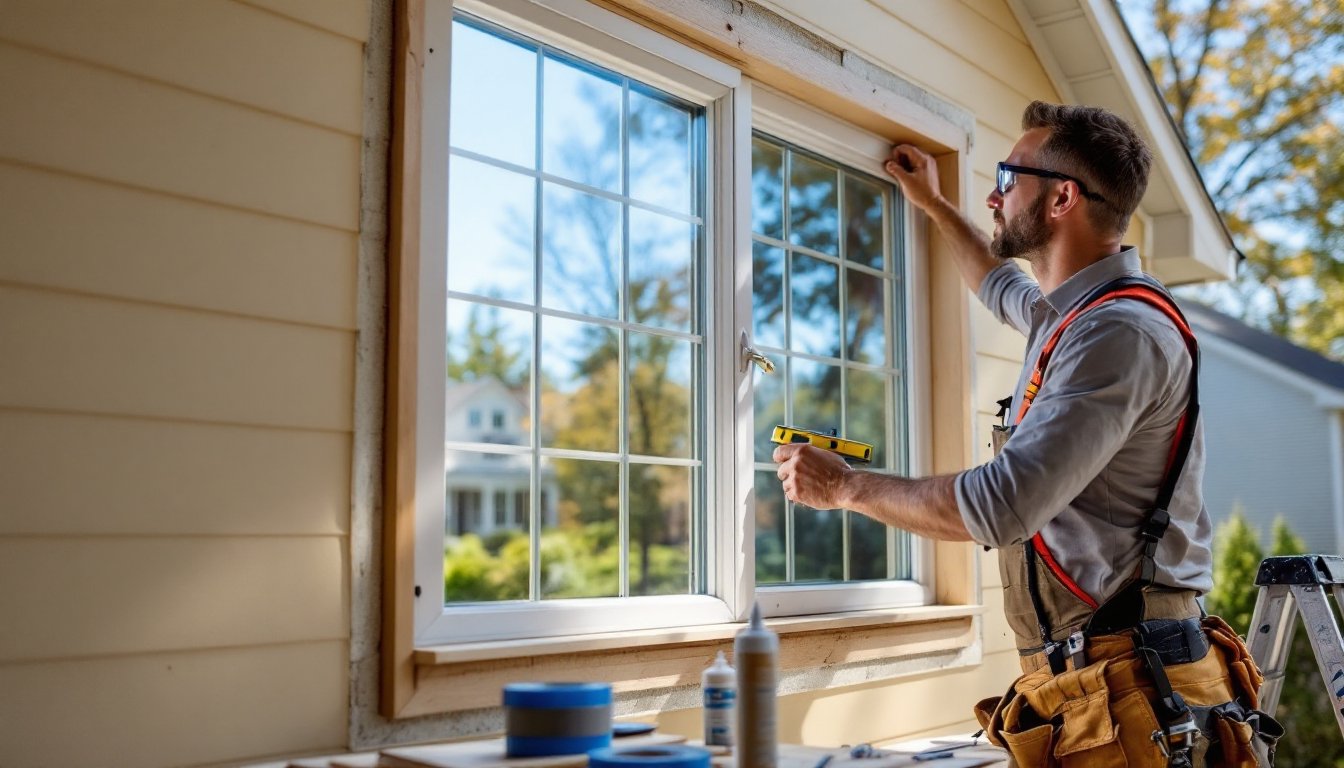
Installation difficulty matters more than you’d think. Standard replacement windows in existing frames are simpler work. Full-frame replacement (removing the old frame entirely) costs significantly more because it requires more labor and sometimes repairs to surrounding walls or exterior cladding. If you’re installing windows in a newly framed opening or need structural adjustments, labor multiplies.
Average Pricing by Window Style
Breaking down costs by the actual windows you’d install helps with real-world budgeting. These ranges reflect material and basic installation, though regional labor rates and local contractor markup vary.
Single-hung and double-hung windows (the most common type with vertical sliding sashes) typically run $400 to $800 per window installed. They’re straightforward to replace and work in nearly any home style.
Casement windows (side-hinged, crank-operated) range from $500 to $1,200 per window. They offer better weathertightness and ventilation control than sliders, which explains the premium. Installation is slightly more complex because the frame geometry differs from hung windows.
Sliding windows cost $400 to $900 per unit. They’re less common in residential work but still straightforward to install, making labor costs relatively predictable. Resources like HomeAdvisor’s window replacement cost guide provide detailed regional breakdowns.
Picture windows (non-operable, fixed-pane) are cheaper per unit, $350 to $800, but you typically combine them with operable windows in a project, so they don’t represent the full scope.
Bay and bow windows jump significantly: $1,000 to $2,500+ per unit because they involve multiple panes, angled frames, and more complex installation. These are investment pieces, not budget moves.
Energy-efficient upgrades like low-emissivity (Low-E) coating and argon gas between panes add $50 to $300 per window, depending on the manufacturer and grade. In cold climates, this investment often pays for itself through heating cost savings over 10–15 years.
Labor Costs and Professional Installation
Here’s where the final bill often surprises people: labor. Professional installation isn’t optional, botched window work leads to air leaks, water damage, and thermal failure.
Labor typically accounts for 30 to 50% of the total project cost. In expensive markets (coastal California, New York, Boston), labor can dominate the bid. A contractor might charge $100 to $300 per window for installation, depending on local rates and job difficulty. Simple replacements in existing frames run faster than full-frame work or structural adjustments.
Most contractors provide free estimates, and you should get at least two or three quotes. Platforms like Angi and ImproveNet help you find vetted contractors and compare pricing. Be wary of bids that seem far below the market, that’s often a sign of cutting corners on flashing, sealing, or finishing.
Permits are another hidden labor cost. Some jurisdictions require them for window replacement, others don’t. If required, expect $50 to $300+ per permit, plus the contractor’s time to apply and pass inspections. Call your local building department before planning your budget.
Remove old windows yourself? You can save $50 to $150 per window on labor, but only if you’re comfortable doing it safely. This requires basic tools, patience, and comfort working on ladders or scaffolding. Always wear safety glasses and gloves, old windows can have deteriorated frames, broken glass, or lead paint (pre-1978 homes). If lead paint is present, the EPA requires certified professional removal in most cases, which adds significant cost.
Money-Saving Tips for Window Replacement
Smart choices keep costs down without sacrificing durability.
Do a phased project. Replace windows in groups rather than all at once. Spread the cost over two or three years, and you’ll manage cash flow better. Start with the most visible or weather-exposed windows.
Stick with standard sizes. Custom-size windows cost significantly more because they require special manufacturing. If a few windows are slightly off-standard, many contractors can work with slightly smaller or larger stock units using shims and trim adjustment.
Compare material-to-performance trade-offs. You don’t always need top-tier everything. A vinyl window with basic Low-E glazing often outperforms a fancy wood window without thermal upgrades. Know your climate and prioritize accordingly.
Get competitive bids. Three bids from licensed, insured contractors let you see what’s reasonable in your market. Compare product specs and warranties alongside price, the cheapest contractor doesn’t guarantee the best value.
Handle demolition yourself (if safe). Removing old windows is labor-intensive but low-skill. Watching YouTube tutorials and taking your time can save hundreds. Just respect the risks: falling from ladders, broken glass, and potential lead exposure are real hazards.
Bundle other exterior work. If you’re already having your siding replaced or roof worked on, adding window replacement to the same contractor’s schedule sometimes yields better pricing. Materials are already on-site, and scaffolding is already up.
Conclusion
Window replacement costs depend on material choice, window style, quantity, and labor rates in your area. Budget $400 to $1,200 per window for typical residential work using mid-range materials, and expect to spend more in expensive markets or for specialty window types. Get multiple quotes, understand what’s included (removal, disposal, permits, trim work), and don’t skip installation quality just to save $200. Windows last 20+ years, doing it right the first time beats cutting corners and redoing it in ten.