A master bathroom remodel ranks among the most impactful home improvement projects, both for quality of life and resale value. But cost questions loom large: How much should you budget? Are you looking at $8,000 or $50,000? The truth is, the average master bathroom remodel cost depends heavily on your choices around fixtures, materials, and whether you hire pros or go the DIY route. This guide breaks down real numbers for 2026, shows you where your money actually goes, and shares practical ways to trim expenses without cutting corners on quality.
Table of Contents
ToggleKey Takeaways
- The average master bathroom remodel cost ranges from $10,000 to $25,000 nationally in 2026, with labor, fixtures, and flooring consuming the majority of your budget.
- Keeping plumbing and electrical in place can save $2,000–$4,000, making fixture location strategy critical to controlling master bathroom remodel costs.
- Quality matters where it lasts: invest in durable fixtures, proper waterproofing, and ventilation rather than cutting corners on items prone to failure or mold.
- Getting three detailed contractor quotes and building a 10–15% contingency buffer protects you from lowball estimates and unexpected issues discovered during demolition.
- DIY demo work, painting, and hardware installation can trim costs by 15–20% if you have the skills, but leave plumbing, electrical, and tile work to licensed professionals.
What Is the Average Cost of a Master Bathroom Remodel?
The national average for a master bathroom remodel falls between $10,000 and $25,000 in 2026, though projects range from modest refreshes under $8,000 to high-end renovations exceeding $50,000. According to recent data, homeowners typically spend around $12,000 to $15,000 for a mid-range remodel that includes new fixtures, flooring, tile work, and professional installation. Your actual cost depends on scope: cosmetic updates (paint, fixtures) cost far less than structural work (plumbing relocations, structural changes).
The reason for the wide range comes down to decisions about materials and finishes. A budget remodel using basic builder-grade fixtures and standard tile runs cheaper than one featuring designer vanities, heated floors, and custom tile work. Labor rates also vary significantly by region, coastal urban markets pay more than rural areas. Finally, hidden issues discovered during demo (water damage, outdated plumbing, structural rot) can push costs up quickly, so contingency budgets are essential.
Breaking Down Master Bathroom Remodel Costs by Category
Understanding where your money goes helps you make informed choices. Typical cost breakdowns show labor eating 40–50% of the budget, materials around 30–40%, and contingencies (10–20%). But, this shifts based on project complexity.
Fixtures, Flooring, and Finishing Materials
Fixtures, vanities, toilets, sinks, and faucets, usually account for $2,500 to $6,000. Budget options like basic pedestal sinks and standard faucets run $500–$1,500: mid-range double vanities with solid-surface countertops cost $2,000–$4,000: and designer or custom vanities with marble or quartz easily exceed $5,000. Don’t overlook the faucet: a quality brass or stainless-steel faucet ($400–$1,000) lasts decades, while a $60 faucet may fail in five years.
Flooring is another major line item: $1,500 to $4,000 for materials and installation. Ceramic or porcelain tile runs $3–$8 per square foot installed: natural stone (marble, granite, slate) jumps to $10–$20 per sq ft: and luxury vinyl plank (LVP) sits at $2–$5 per sq ft. For a 50-square-foot bathroom, expect ceramic tile around $750–$2,000 installed, or marble pushing $2,500–$5,000. Always account for waterproofing membrane and proper underlayment, skimping here causes leaks and mold.
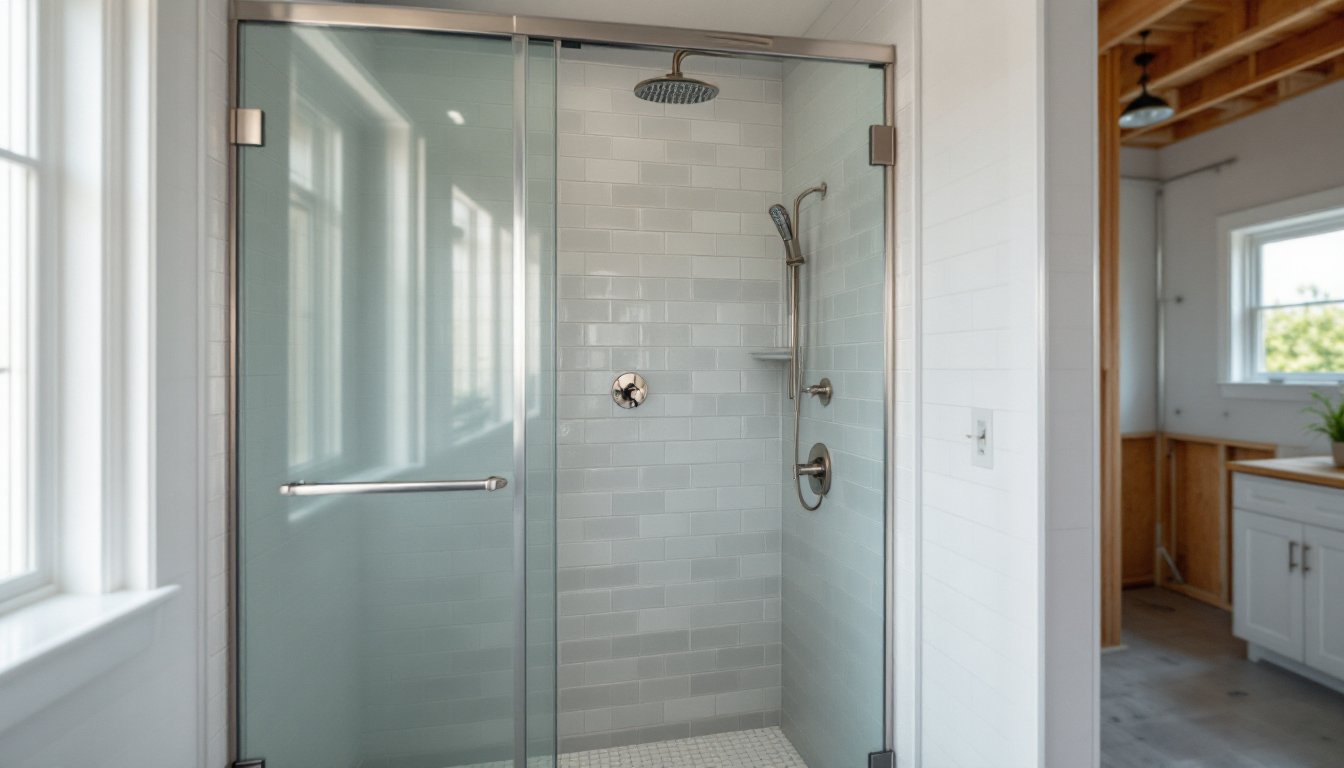
Wall finishes (tile, paint, wallpaper) run $800 to $2,500. Full tile work behind a vanity or shower surround adds up fast: half-tile walls with painted upper sections save money. Shower enclosures range from simple framed glass ($600–$1,200) to frameless custom units ($2,000–$4,000).
Lighting, mirrors, hardware, and accessories round out materials at $800 to $1,500. Quality lighting matters, good bathroom ventilation fans with dampers prevent mold, and damp-rated fixtures are non-negotiable.
Labor and Professional Installation Costs
Labor typically runs $4,000 to $12,000, though complex projects cost more. Plumbers charge $75–$150 per hour for relocating supply lines or drain pipes: electricians bill similarly for new outlets, venting, and wiring: and general contractors or remodeling specialists may charge hourly rates or fixed project quotes. Permit and inspection fees add another $300 to $1,000 depending on jurisdiction, don’t skip this: unpermitted work causes headaches at resale and voids warranties.
Hiring a licensed general contractor for the full project simplifies coordination. Expect to pay a general contractor $8,000 to $18,000 in labor for a typical mid-range master bath. Alternatively, hire specialists separately, plumber, electrician, tile installer, painter, and handle coordination yourself: this saves 15–20% in markup but demands your time and expertise. Resources like HomeAdvisor’s bathroom remodel cost guide and Angi’s contractor reviews help you find vetted professionals and understand local pricing.
Budget-Friendly Remodeling Strategies
Smart choices trim costs without gutting quality. Start with a clear scope and budget, vague projects balloon fast.
Keep plumbing in place whenever possible. Moving drains and supply lines adds $2,000–$4,000. If your current vanity location works, keep it. Same goes for the toilet and shower location: moving them involves concrete cutting, new venting, and extended plumbing runs.
Choose economical materials strategically. You can save on flooring by using polished concrete with epoxy sealer ($1,500–$2,500 installed) instead of natural stone. Framed shower enclosures cost $600–$900 versus $2,500 for frameless. Painted drywall with tile accents replaces full tile walls. But don’t cheap out on plumbing fixtures or ventilation, poor-quality faucets leak and fail fast, and inadequate venting causes mold.
Do some work yourself if you have skills. Demo (removing old fixtures, pulling tile) is labor-intensive but doable for confident DIYers. Painting is straightforward. Installing simple vanities, mirrors, and hardware is manageable if your plumbing and electrical rough-ins are already done. Leave complex tasks, tile setting, plumbing, electrical, to licensed pros. One bad tile job or leaking connection costs thousands to fix.
Buy fixtures during sales. Home Depot, Lowe’s, and specialty plumbing suppliers run seasonal promotions. Buying discontinued display models or previous-year styles saves 20–30%. Standard finishes (brushed nickel, chrome) cost less than specialty finishes (matte black, oil-rubbed bronze).
Phase the project. If budget is tight, do the hard stuff now (plumbing, electrical, waterproofing, flooring) and defer cosmetics (paint, hardware, mirrors) to later. Structural work is difficult to undo: tile and paint aren’t.
Use platforms like ImproveNet to compare contractor bids and understand typical costs in your area. Getting three detailed quotes from licensed contractors protects you from lowball estimates that promise shortcuts.
Conclusion
A master bathroom remodel is a substantial investment, typically $10,000 to $25,000 for a solid mid-range project in 2026. The bulk of cost goes to labor, fixtures, and flooring. Smart remodeling keeps plumbing and electrical in place, invests in durable fixtures and proper waterproofing, and uses DIY labor where skills match the task. Get multiple bids, understand your local codes and permit requirements, and build in a 10–15% contingency for surprises. Done right, a remodeled master bath pays dividends in comfort and home value for years to come.