Planning a bathroom renovation? Knowing the average bathroom renovation cost upfront helps you avoid budget surprises and make smarter material choices. In 2026, a small bathroom update typically runs $5,000 to $15,000, while a full renovation can range from $20,000 to $50,000 or more, depending on scope and finishes. The wide range exists because bathroom projects vary dramatically, upgrading a vanity and lighting is worlds apart from relocating plumbing or removing load-bearing walls. This guide breaks down real costs by project type, explains what drives prices, and shares practical strategies to stretch your budget without cutting corners on quality or durability.
Table of Contents
ToggleKey Takeaways
- Bathroom renovation average costs range from $5,000–$15,000 for small updates to $20,000–$50,000+ for full renovations, with labor typically comprising 40–60% of the total budget.
- Plumbing and electrical complexity are the biggest cost drivers—moving fixtures can add $3,000–$8,000, while simple fixture swaps cost only $500–$1,500.
- Investing in mid-range, durable materials like porcelain tile ($5–$8/sq ft) and quality faucets ($400+) prevents costly callbacks and replacements within 5–10 years.
- Keep existing plumbing in place whenever possible and handle demolition, painting, and caulking yourself to save $2,000–$4,000 in labor costs.
- Get multiple contractor bids (at least three) with itemized labor and materials, and use a phased approach to prioritize essentials like plumbing and waterproofing before cosmetic finishes.
Average Bathroom Renovation Costs by Project Scope
Small Bathroom Updates
Small updates, think replacing the vanity, refinishing the tile, updating lighting fixtures, and repainting, typically cost $5,000 to $15,000. This is where most DIY homeowners and budget-conscious renovators start. You’re keeping the existing plumbing and wall layout intact, which saves thousands.
If you handle demolition and painting yourself, you can trim $2,000 to $4,000 off labor costs. Swapping out a vanity, mirror, and light fixtures takes a handy person a weekend or two. Material costs here are predictable: a mid-range vanity runs $800 to $2,000, faucets $400 to $1,000, and tile refinishing or paint $1,500 to $3,000 depending on bathroom size and finish quality.
Major Full Renovations
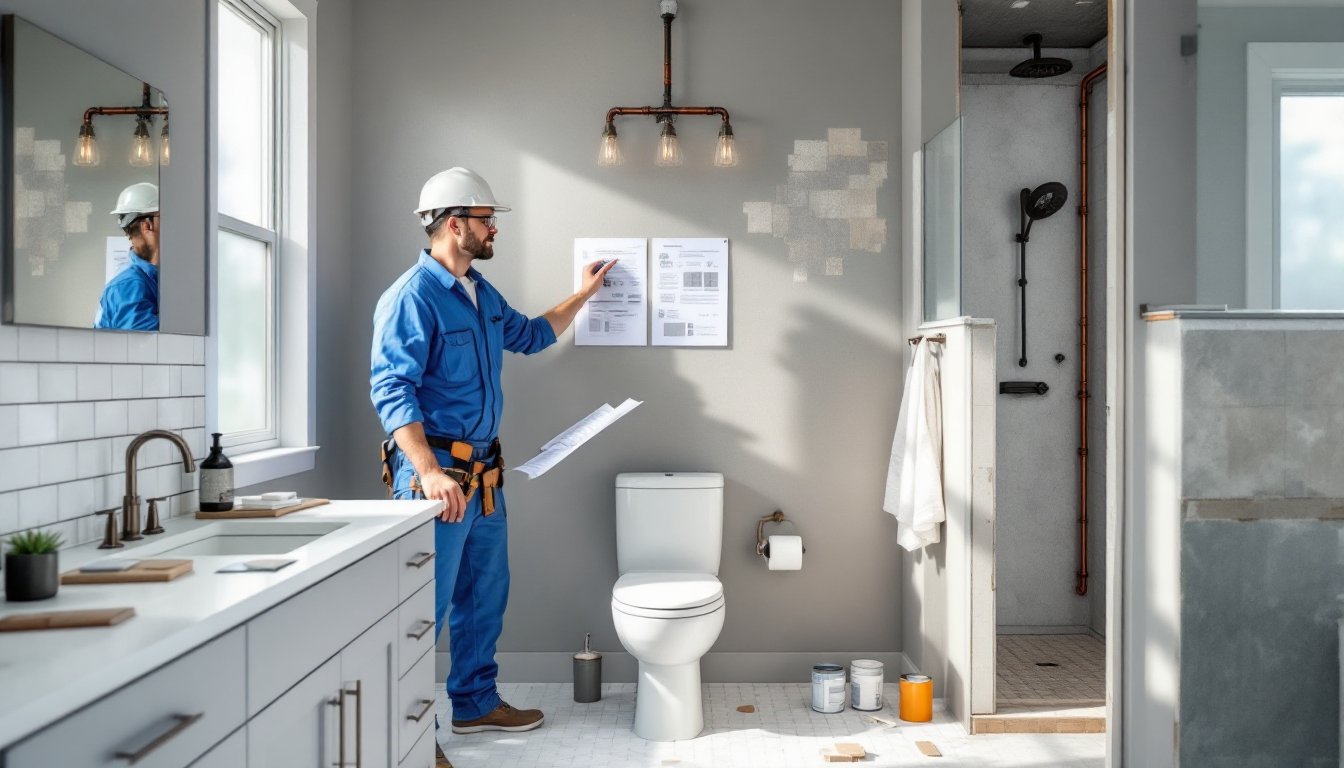
A full bathroom renovation, new plumbing, relocated fixtures, tile work, flooring, updated electrical, and possibly structural changes, costs $20,000 to $50,000 for a standard bathroom, and $50,000+ for larger ensuite bathrooms or luxury finishes. This is licensed contractor territory. You’re paying for permits, inspections, skilled labor, and the complexity of coordinating multiple trades (plumbers, electricians, tile specialists).
In full renovations, labor typically consumes 40-60% of your budget. If your bathroom is smaller (5×8 feet), you’ll land closer to $20,000: larger bathrooms and high-end fixtures push you toward $40,000 or more. Adding heated floors, a spa tub, or custom tile work adds $5,000 to $15,000 on top of baseline costs.
Key Factors That Impact Your Total Budget
Plumbing and electrical complexity drives costs more than homeowners expect. Moving a toilet, adding an outlet, or relocating a vent stack means breaking walls, rerouting lines, and pulling permits. A simple fixture swap costs $500–$1,500: relocating plumbing can add $3,000–$8,000. Check your local building codes, requirements vary by jurisdiction, and improper work can trigger inspection failures or safety issues.
Tile selection has enormous range. Basic ceramic tile costs $3–$8 per square foot installed: natural stone (marble, slate, granite) runs $10–$30+ per foot. A 5×8 bathroom with tile shower surround easily uses 150–200 square feet of tile. Switching from budget ceramic to mid-range porcelain or natural stone adds $1,000–$3,000 to your tile alone.
Structural or cosmetic work matters legally and financially. Removing a non-load-bearing wall to open the bathroom is a cosmetic job requiring a permit but no structural engineer. Removing a load-bearing wall requires engineering, temporary bracing, a beam, and strict code compliance, add $3,000–$8,000 and months to your timeline. Be honest with your contractor about what you’re asking: they’ll tell you upfront if permits or engineers are needed.
Material acclimation and prep work don’t show in invoices but wreck budgets when skipped. Tile, wood vanities, and natural stone need 48 hours in the bathroom to acclimate to humidity before installation. Subfloor prep, checking for rot, leveling, or replacing damaged sections, often reveals hidden problems worth $1,000–$3,000 once walls come down.
Material Selection and Labor Costs
Material costs and labor interact directly. Hiring skilled tile specialists costs more per hour than general carpenters, but their work is faster and lasts decades. Mid-range labor runs $50–$85 per hour for carpenters and plumbers: tile specialists often charge $60–$100+. A licensed plumber’s service call alone might be $150–$250 before they touch anything.
Material-wise, vanities anchor the visual budget. A budget vanity is $300–$600, mid-range $800–$2,000, and high-end custom pieces run $2,500–$5,000+. The difference isn’t just appearance, solid wood and dovetail construction last longer than particle board. A $400 faucet will function the same as a $1,500 faucet, but durability and warranty differ: budget faucets sometimes leak or corrode within 5 years, while quality chrome or brushed nickel finishes hold up through decades of use.
Flooring costs vary wildly. Ceramic or porcelain tile runs $2–$8 per square foot installed: luxury vinyl plank (LVP), which is waterproof and warm underfoot, costs $3–$6 per square foot. Natural stone (marble, slate) runs $8–$15+ per square foot. For a 40-square-foot bathroom, that’s a $400–$600 difference between budget tile and mid-range stone.
Labor comprises 40-60% of total cost on renovations. Prep work (demolition, substrate repairs) takes 20-30% of labor hours. Skilled trades (plumbing, electrical, tile) take 50-70%. Finishing (painting, caulking, trim) takes 10-20%. The best budgets account for this breakdown: cutting corners on prep or finishing often leads to callbacks and cost overruns.
Common Bathroom Upgrades and Their Price Points
Vanity and sink replacement: $1,500–$3,500 installed (vanity, faucet, rough plumbing, drain work). Doing demolition yourself saves $300–$600: leaving it to contractors ensures proper sealing and no water damage under the sink.
Toilet replacement: $300–$1,200 installed. A basic dual-flush toilet is $150–$300: high-end bidets or smart toilets run $800–$2,500. Labor is 15–30 minutes for a straightforward swap: relocating a toilet adds plumbing costs and breaks that timeline.
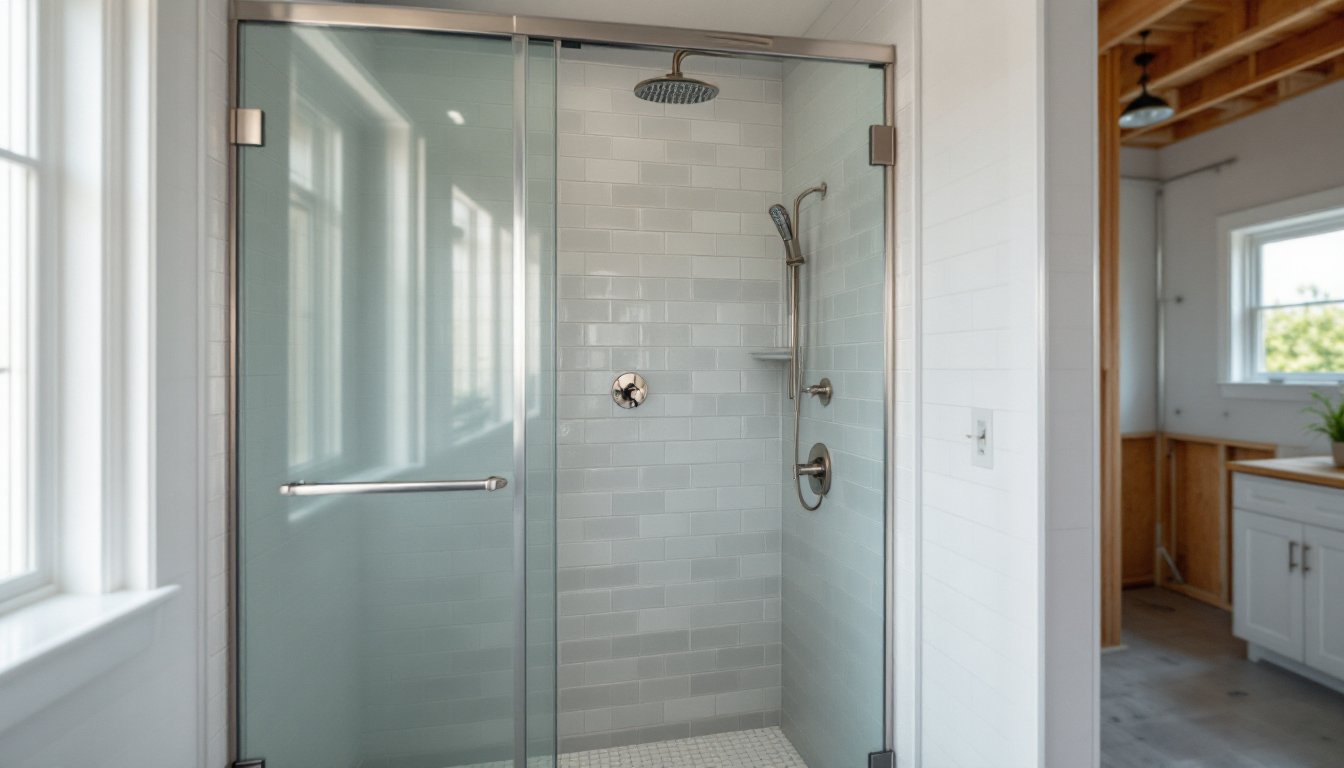
Shower or tub renovation: $3,000–$12,000+ depending on whether you’re retiling existing enclosure, replacing fixtures, or doing a full surround. Tile surround with new fixtures (valve, showerhead, grab bars) runs $4,000–$7,000. A standalone soaking tub or walk-in shower with tile and frameless glass enclosure hits $8,000–$15,000.
Lighting and ventilation: $800–$2,500. Exhaust fans range $150–$500: recessed or vanity lights $200–$800 each. Proper ventilation is non-negotiable, a bathroom without adequate exhaust leads to mold, peeling paint, and rot. Many codes require CFM ratings based on bathroom size: undersizing the fan means moisture problems.
Flooring: $800–$2,500 for material and labor on a 40-square-foot bathroom. Tile, LVP, and stone pricing was covered above: always factor in substrate prep and waterproofing. Skipping waterproofing membrane under tile in wet areas is a recipe for expensive rot repairs down the line.
Resource platforms like HomeAdvisor’s cost estimators provide regional data for your area: Angi connects you with vetted contractors who can provide detailed estimates based on your specific scope.
Money-Saving Tips for Your Bathroom Project
Do demolition and haul-out yourself. Removing old fixtures, tile, and drywall is labor-heavy but doesn’t require a license. You can save $2,000–$4,000 by handling this sweat equity. Rent a dumpster (about $400–$700 per week) and wear a dust mask, safety goggles, and work gloves when breaking tile or drywall, sharp shards and asbestos in old homes are hazards. Have a licensed professional disconnect and cap plumbing and electrical safely before you start.
Keep plumbing in place. Every inch you move a toilet, sink, or vent stack costs money and complexity. If your plumbing is functional and doesn’t leak, leave it where it is. Re-tile around existing drains and fixtures rather than relocating them.
Choose durable mid-range materials over bargain picks. A $400 faucet lasts 15+ years: a $100 faucet may fail in 5. Porcelain tile ($5–$8 per square foot) is far more durable than ceramic ($3–$5 per square foot) and worth the small premium. You’ll avoid expensive callbacks and replacements.
Get multiple contractor quotes. Costs vary 20-40% between contractors based on efficiency, overhead, and local market rates. Get at least three bids that itemize labor and materials separately. Avoid the cheapest bid if it’s 30-40% lower, it often means corners cut or scope misunderstanding.
Phased renovation approach. Do essentials first (plumbing, electrical, waterproofing, flooring), then finishes (vanity, mirror, paint) when budget allows. A functional bathroom with basic finishes beats an incomplete one with pretty tilework.
DIY what you can safely handle. Painting, caulking, grouting, and installing simple fixtures like mirrors and towel bars are reasonable DIY tasks. Plumbing, electrical, and structural work require permits and licensed pros, shortcuts here cost far more to fix. Verify your contractor references through ImproveNet’s guides and ask to see their license and insurance before hiring.