Kitchen remodeling is one of the most popular home improvement projects, but it’s also one of the most expensive. Most homeowners spend anywhere from $15,000 to $50,000 on a kitchen remodel, though costs vary wildly depending on what you’re actually changing. Before you commit to a project, or hire a contractor, it helps to understand what drives kitchen remodel costs and where your money is going. This guide breaks down the real numbers, the variables that matter most, and how to plan a budget that works for your situation.
Table of Contents
ToggleKey Takeaways
- The average cost to remodel a kitchen ranges from $15,000 to $50,000, with most mid-range projects landing between $30,000 and $60,000, depending on scope and materials.
- Layout changes are the biggest cost driver—keeping your existing kitchen layout can save $5,000–$15,000 compared to moving plumbing, electrical, or appliance locations.
- Cabinets consume 30–40% of your kitchen remodel budget, so choosing between stock, semi-custom, or fully custom options dramatically impacts total project cost and durability.
- Labor typically accounts for 25–35% of your budget and requires skilled trades (electricians, plumbers, carpenters); kitchen remodels usually take 4–8 weeks to complete.
- Always budget a 10–20% contingency to cover hidden costs like water damage, code violations, or electrical and plumbing surprises that commonly emerge during demolition.
- Budget-friendly alternatives like cabinet refacing ($5,000–$8,000), mid-grade countertops, and DIY finishing work can significantly reduce expenses while maintaining quality results.
What Affects Kitchen Remodel Costs
Scope of Work and Layout Changes
The biggest cost driver in any kitchen remodel is scope: Are you refreshing cabinets and countertops, or are you moving walls and plumbing lines?
A cosmetic remodel, new paint, updated hardware, fresh countertops, and modern lighting, typically runs $15,000 to $30,000. You’re keeping the existing layout and footprint intact, which saves thousands in labor and structural work.
A major remodel that includes moving appliances, relocating plumbing, or reconfiguring the layout jumps to $40,000 to $75,000 or higher. Moving a sink requires new water supply and drain lines. Relocating the stove might mean running new gas or electrical circuits. Each change compounds costs.
Layout changes also require permits. Any structural work, removing a wall, adding an island with utilities underneath, or major electrical/plumbing rerouting, needs building permits and inspections. This isn’t optional if you want the work done right and insured. Budget an extra $500 to $2,000 for permits, depending on your jurisdiction.
Material Quality and Finishes
Cabinets typically eat 30–40% of your kitchen budget. Stock cabinets from big-box retailers run $100–$300 per linear foot. Semi-custom options cost $200–$500 per foot, while fully custom cabinetry can hit $500–$1,500+ per foot. The difference isn’t just appearance: it’s durability and fit. Quality hinges, soft-close drawers, and real wood construction last longer than budget alternatives.
Countertops vary by material. Laminate costs $15–$40 per linear foot. Solid surface (like Corian) runs $35–$75 per foot. Granite or quartz starts around $50–$150 per foot, depending on quality and origin. Butcher block looks warm but requires annual sealing and isn’t heat-resistant, fine for a secondary surface, risky as your main workspace.
Flooring choice matters too. Vinyl or laminate: $3–$10 per square foot installed. Tile: $8–$20 per square foot. Hardwood: $12–$25 per square foot. Budget also for underlayment: failing to install proper underlayment under tile or vinyl leads to squeaks, movement, and costly repairs down the road.
Appliances range from $3,000 (budget stainless suite) to $15,000+ (commercial-grade or smart-enabled options). Mid-range stainless appliances, what most homeowners actually buy, sit around $6,000 to $10,000 for a fridge, range, and dishwasher package.
National Average Kitchen Remodel Pricing
According to recent industry data, the national average kitchen remodel costs $28,000 to $35,000, with a typical mid-range project landing around $60,000 to $80,000 per square foot of kitchen space. But, these averages mask huge regional variation. Labor costs in metropolitan areas can be 50% higher than rural regions. Material availability and local demand also shift pricing.
Here’s what you’re looking at by project tier:
- Budget remodel (cosmetic only): $15,000–$30,000. Cabinets refaced or painted, countertops replaced, new hardware, fresh paint, updated lighting.
- Mid-range remodel: $30,000–$60,000. New cabinets (semi-custom), quality countertops, new appliances, modest layout adjustments without structural changes, professional-grade finishes.
- High-end remodel: $60,000–$100,000+. Custom cabinetry, premium countertops (marble, high-grade quartz), top-tier appliances, possibly a kitchen island, significant layout changes, custom tile work or backsplash.
Resource like HomeAdvisor’s kitchen remodel cost guide and Angi’s home service reviews can help you research local contractor rates in your area. Pricing shifts seasonally, spring and early summer see higher contractor demand and costs, while winter projects may qualify for small discounts.
Breaking Down Major Kitchen Remodel Expenses
Here’s a typical cost breakdown for a mid-range kitchen remodel:
- Cabinets (including installation): 30–40% ($9,000–$24,000)
- Countertops and backsplash: 15–20% ($4,500–$12,000)
- Appliances: 10–15% ($3,000–$9,000)
- Labor (electrical, plumbing, general): 25–35% ($7,500–$21,000)
- Flooring: 5–10% ($1,500–$6,000)
- Lighting, hardware, and finishing: 5–10% ($1,500–$6,000)
Labor is often underestimated. A kitchen remodel isn’t a quick job: it’s typically 4 to 8 weeks of work, often longer if there are surprises. Electricians, plumbers, carpenters, and tile installers each bill separately. Coordination matters, delays from one trade affect everyone else’s schedule, and that costs money.
Why does labor run so high? A kitchen is densely mechanical. Unlike a bedroom that just needs drywall and paint, a kitchen has code-required venting, grounded outlets every 4 feet of countertop, proper slope on drain lines, and load-bearing considerations if you’re adding an island. This isn’t work for weekend warriors: it’s skilled trade work.
Budget-Friendly Versus High-End Remodel Options
Not every homeowner has a $60,000+ budget, and that’s fine. The key is deciding what matters most to you and cutting costs strategically.
Budget-friendly tactics:
- Keep the existing layout. Don’t move the sink, stove, or island. This alone saves $5,000–$15,000 in plumbing and electrical.
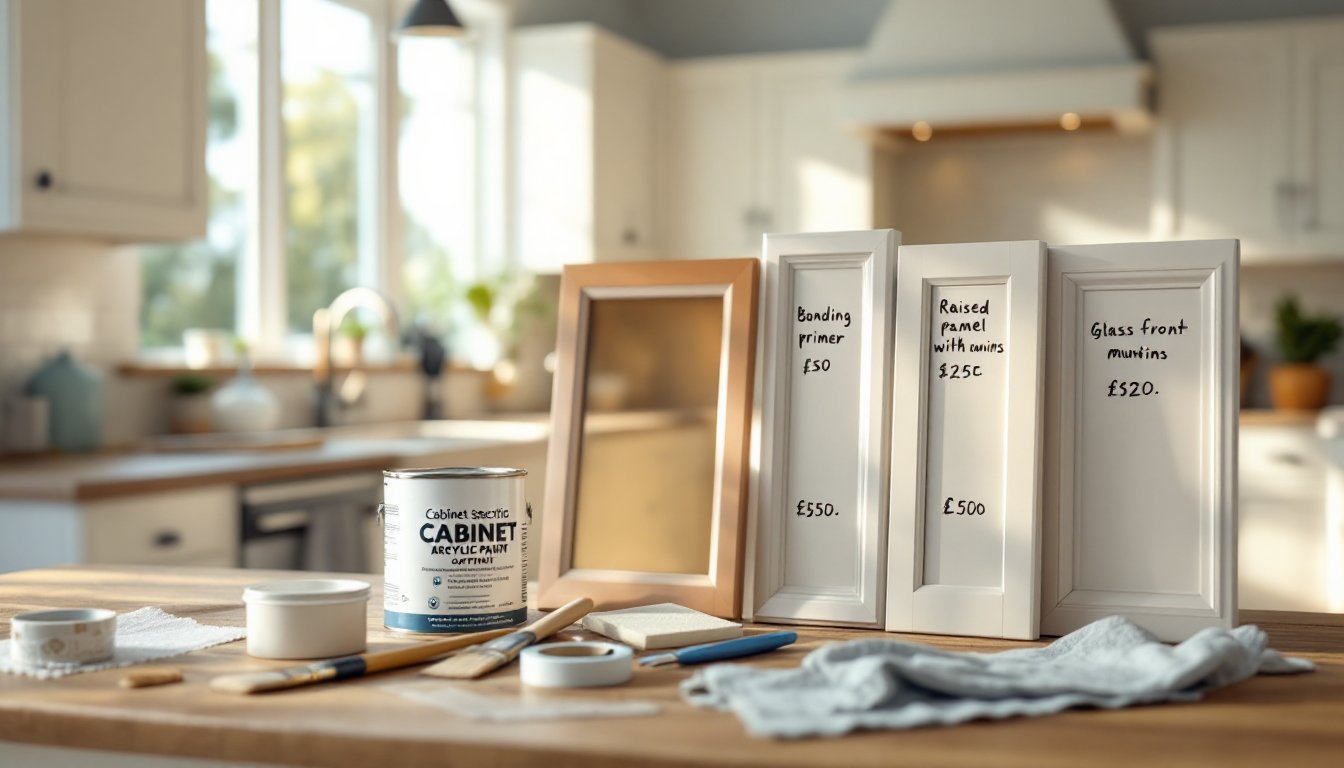
- Reface cabinets instead of replacing them. New fronts, hardware, and paint cost $5,000–$8,000 versus $15,000+ for new cabinetry.
- Choose mid-grade countertops like solid surface or basic quartz instead of premium marble or exotic granite.
- Buy appliances from scratch-and-dent sales or open-box stock. Reputable appliance retailers sell display models at 20–30% discounts.
- DIY simple finishing work: painting, installing hardware, or handling basic backsplash tile if you’re comfortable with the work.
- Select ceramic or vinyl tile over natural stone. It’s durable, affordable ($8–$15 per square foot installed), and easier to maintain.
High-end priorities:
If budget is less of a concern, invest in cabinetry and appliances. These are the hardest and most expensive to replace later. A quality custom cabinet will last 25+ years: a budget cabinet might need replacement in 10. Similarly, commercial-grade appliances cost more upfront but rarely fail and handle heavy use.
Premium countertops (marble, waterfall island edges, integrated sinks) and custom tile work or waterproofing demand skilled labor, which drives cost, but the finished look justifies it if that’s your priority.
Hiring a professional designer adds 10–15% to your budget but prevents costly mistakes. A designer knows material combinations that work, understands traffic flow, and ensures your vision is actually buildable.
Hidden Costs and Contingency Planning
Here’s where most homeowners get surprised: the work that wasn’t on the initial estimate.
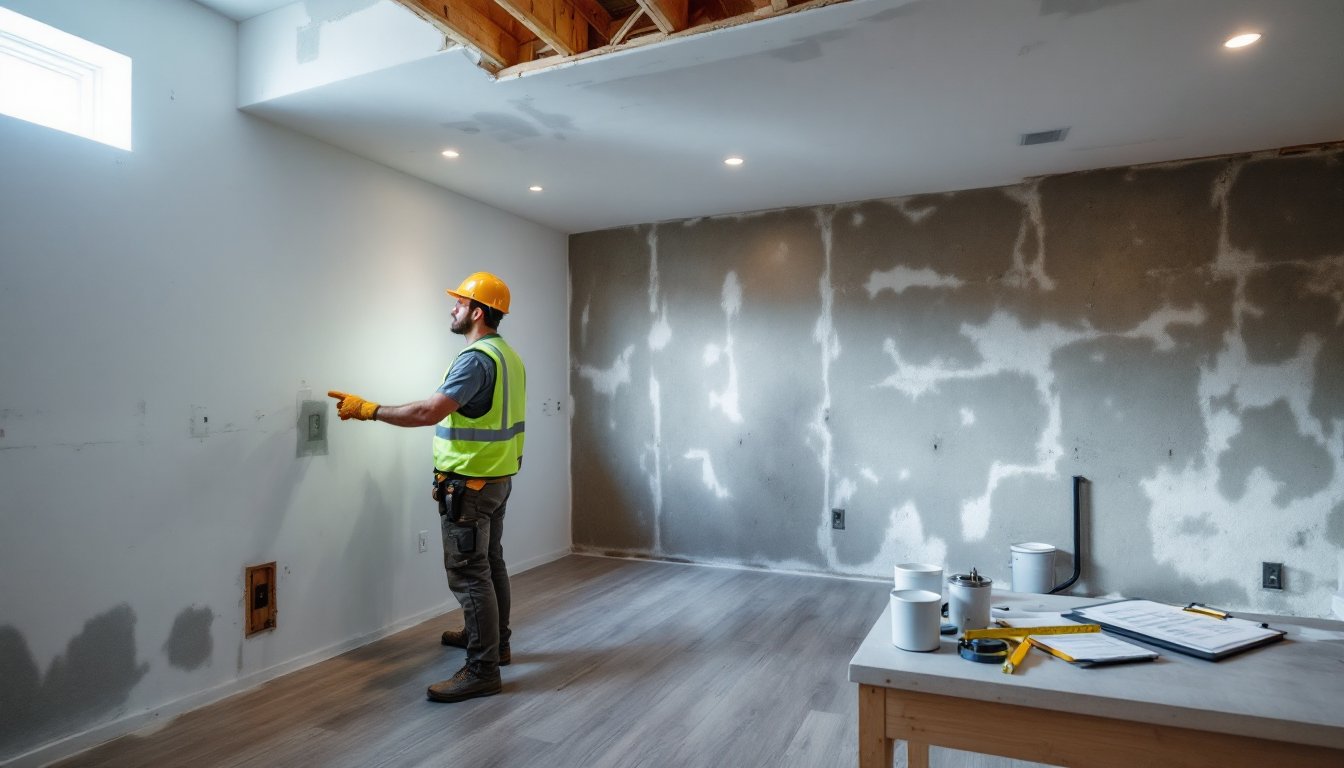
Water damage and rot are the classic culprit. Once you remove a wall or open up old cabinetry, contractors find soft spots in the subfloor or evidence of old leaks. Repairing rot adds $1,000–$5,000 depending on extent. This is why tear-out photos and walkthroughs matter, a good contractor will flag likely issues upfront.
Electrical and plumbing surprises crop up constantly. The wiring in your kitchen might not meet current code, requiring rewiring ($1,500–$3,000). Old plumbing lines might be galvanized steel instead of copper, requiring replacement ($800–$2,000). Your kitchen may lack a dedicated circuit for a new appliance, requiring a new breaker and circuit run ($300–$800).
Permits and inspections vary by location but expect $500–$2,000. Some jurisdictions charge a percentage of the project cost: others charge flat fees. Failing to get permits puts your insurance and resale value at risk.
Paint, hardware, and finishing materials are easy to underestimate. Quality paint for kitchens costs $40–$60 per gallon and requires primer, potentially two coats. Cabinet hardware, backsplash trim, light fixtures, and faucet upgrades add up fast.
Plan for a 10–20% contingency. If your estimate is $40,000, budget $44,000–$48,000. This buffer absorbs the surprises that almost always appear. Skipping it leaves you scrambling for cash mid-project or cutting quality to stay on budget.
Resource like ImproveNet’s project planning tools can help you get multiple contractor bids and spot inconsistencies, which is a red flag for unrealistic pricing.